
About the song
Background of the Song
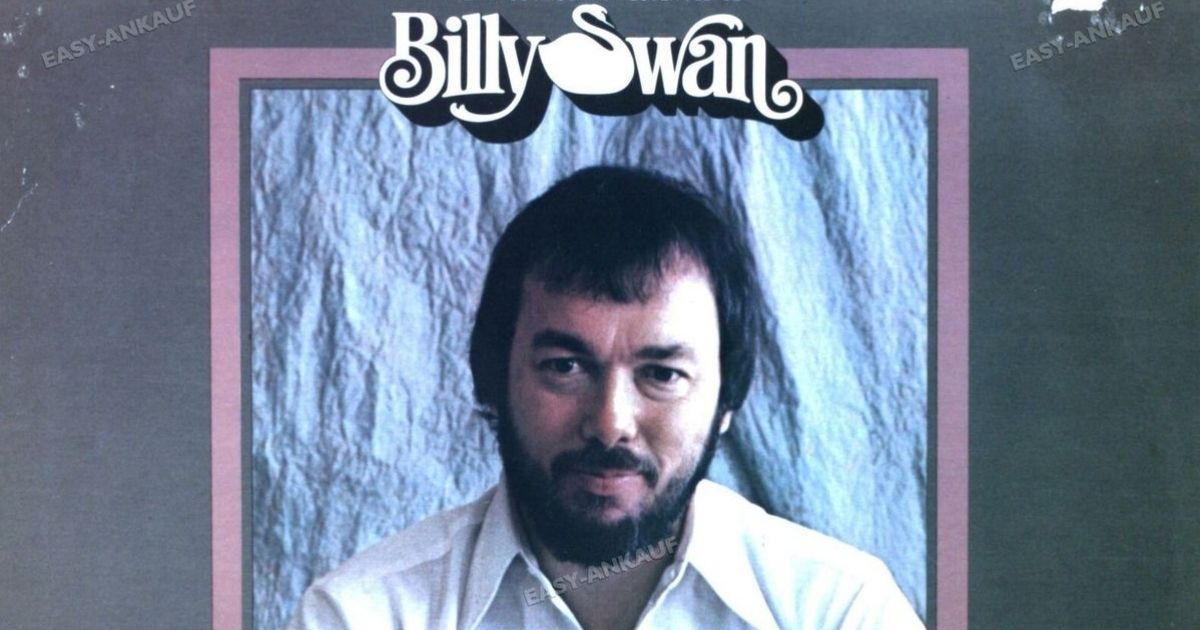
Released in 1974, “I Can Help” by Billy Swan became one of the most unexpected yet remarkable crossover hits of the decade. It was the debut single from his album of the same name, and it shot to the top of the charts almost instantly. What makes the story of this song so interesting is not only its massive success but also its humble beginnings.
Billy Swan, before launching a solo career, had been working as a songwriter and session musician. He penned songs for artists such as Conway Twitty, Mel Tillis, and Waylon Jennings. However, his career breakthrough as a performer came when he wrote “I Can Help” almost casually on a two-chord progression, recorded in a single take at Chip Young’s studio in Nashville. The song had an effortless charm that captured the ears of both country and pop audiences.
Upon release, “I Can Help” went to #1 on the Billboard Hot 100 in November 1974, spending two weeks at the top, and also topped the Billboard Hot Country Songs chart. Internationally, it became a global phenomenon, reaching #1 in more than a dozen countries, including Australia, Norway, and New Zealand. For Billy Swan, it became his signature song, the one that defined his career.
Themes and Lyrics
The lyrics of “I Can Help” are straightforward yet irresistibly warm. The song is essentially an offer of kindness, love, and support. The narrator tells someone—likely a romantic interest—that whenever they feel down, lonely, or troubled, he is there to lend a hand.
Key lyrical themes include:
Compassion and Support: The narrator reassures the listener that they are not alone and that he will always be there to help.
Simplicity of Love: The message is not dressed in complex imagery—it is direct, relatable, and genuine.
Optimism: Unlike many country songs of the era that leaned toward heartbreak or hardship, this one radiates positivity and encouragement.
The refrain “If your child needs a daddy, I can help” gave the song a playful yet heartfelt angle, resonating with listeners who admired its mix of humor, warmth, and sincerity.
Musical Arrangement
Musically, “I Can Help” is notable for its blend of country, rockabilly, and pop influences, making it appealing to a wide audience.
Instrumentation: The song is carried by a jaunty rhythm guitar, with a prominent organ riff played by Swan himself. The simple two-chord structure (primarily in G and C) gives it a laid-back, sing-along feel.
Tempo and Mood: The song’s upbeat tempo and bouncy rhythm create an atmosphere of fun and lightheartedness.
Vocal Performance: Billy Swan’s vocals are relaxed and conversational, almost like a friendly chat. His delivery is charming and unpretentious, which suited the song’s theme perfectly.
Production Style: The stripped-down production emphasized clarity and accessibility. It wasn’t overproduced, and its raw, easy-going nature contributed to its universal appeal.
Reception and Popularity
The success of “I Can Help” was overwhelming. Not only did it top both pop and country charts in the United States, but it also became one of the few American songs of the era to dominate international charts. Its broad appeal reflected its crossover sound—it was country enough for Nashville audiences, pop enough for mainstream radio, and rock ’n’ roll enough to connect with younger listeners.
The single sold over five million copies worldwide, cementing Billy Swan’s place in music history. Although Swan never replicated this level of chart success with later releases, “I Can Help” gave him a permanent mark as a one-hit wonder in the pop realm, though he remained respected within the country music community.
Emotional and Cultural Impact
The emotional impact of “I Can Help” lies in its positivity and accessibility. In a decade where many songs leaned toward themes of disillusionment or social commentary, this track was refreshingly simple. It reminded listeners that sometimes the most powerful messages are those of kindness and love.
Culturally, the song’s success marked a moment of genre blending. The 1970s were a time when country music was experimenting with crossover potential, and Swan’s hit demonstrated how a country-rooted song could find universal acclaim. It bridged the gap between honky-tonks, radio pop, and even international audiences who might not have been regular consumers of country music.
The song’s enduring appeal also lies in its adaptability. It has been covered by various artists over the years, including Elvis Presley, whose version gave it even more recognition among fans of rock ’n’ roll and country alike.
Legacy
Decades later, “I Can Help” remains Billy Swan’s defining achievement. It continues to be included in collections of 1970s pop hits and is remembered fondly as one of the era’s most cheerful tracks. For Swan, the song brought him into the spotlight and ensured his place in music history, even if subsequent singles did not replicate its meteoric success.
In the broader landscape of country music, “I Can Help” is often cited as a prime example of crossover success, demonstrating that simple, heartfelt songs could break barriers and connect across genres and borders. Its timeless message of kindness and helpfulness still resonates today, reminding us that great songs don’t need complexity to be impactful.
Conclusion
Billy Swan’s “I Can Help” is a testament to the power of simplicity, charm, and sincerity in music. With its lighthearted lyrics, playful rhythm, and universally relatable message, the song became an instant classic in 1974 and has remained a beloved track ever since.
Not only did it catapult Swan into international fame, but it also symbolized the era’s spirit of genre crossover and global appeal. More than four decades later, “I Can Help” continues to make audiences smile, proving that sometimes, all it takes to create a timeless hit is a simple message delivered with honesty and heart.