
About the song
“Rebel Yell” by Billy Idol
Released in 1983, “Rebel Yell” is one of the most iconic and career-defining songs by Billy Idol, a British rock singer known for his punk attitude, charismatic stage presence, and unique blend of rock and pop sensibilities. Serving as the title track and lead single from his second studio album, Rebel Yell, the song quickly became a staple of 1980s rock music and continues to receive significant airplay on classic rock radio and retro playlists today.
Background and Songwriting
The creation of “Rebel Yell” was sparked by an unexpected source. Billy Idol was attending a party in New York City, where he noticed members of The Rolling Stones drinking a brand of bourbon whiskey called Rebel Yell. Inspired by the name and its rebellious tone, Idol decided that it would make a perfect title for a song.
Idol collaborated with his long-time guitarist and songwriting partner Steve Stevens, who played a critical role in developing the song’s distinctive sound. Together, they created a track that would showcase both Idol’s raw vocal style and Stevens’ intricate guitar work, blending elements of punk rock, hard rock, and new wave.
The songwriting process was fast and energetic. The duo focused on creating a song that would capture the essence of youthful rebellion, desire, and unrestrained passion, themes that became central to Billy Idol’s musical identity throughout the 1980s.
Musical Composition and Production
Musically, “Rebel Yell” is a high-energy track driven by galloping drum patterns, pulsating bass lines, and Steve Stevens’ virtuosic guitar playing. The opening of the song features a distinctive and powerful guitar riff, followed by Idol’s urgent and growling vocal delivery.
The production was handled by Keith Forsey, a renowned producer who had worked with several pop and rock acts of the time. Forsey’s production style allowed the song to maintain a raw and aggressive energy while still being radio-friendly and commercially accessible.
The track features a combination of anthemic choruses, dynamic guitar solos, and a pounding rhythm section, making it a perfect arena rock anthem. Stevens’ guitar solo in the song is particularly notable for its technical proficiency and melodic phrasing, further cementing his reputation as one of the top rock guitarists of the era.
Lyrical Themes
Lyrically, “Rebel Yell” is a celebration of unbridled passion and rebellion. The lyrics portray a narrator driven by intense desire, willing to do anything to satisfy his cravings. The famous chorus:
“In the midnight hour she cried, more, more, more
With a rebel yell she cried, more, more, more…”
This line emphasizes the song’s sexual energy, defiance, and relentless pursuit of satisfaction. While the song can be interpreted as a love song in the loosest sense, it’s more about the adrenaline-fueled excitement and the recklessness of youth.
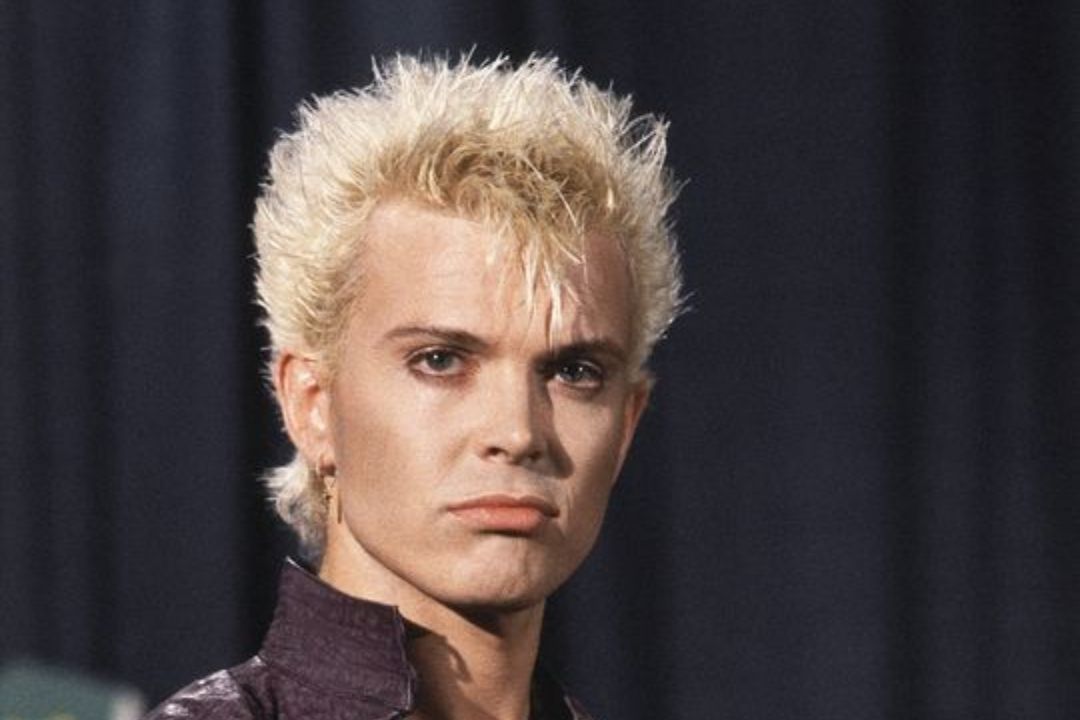
The phrase “Rebel Yell” itself became synonymous with Billy Idol’s rebellious image, complete with his snarling lip, leather jackets, and bleached blond hair.
Critical Reception and Chart Performance
Upon its release, “Rebel Yell” received positive reviews from both fans and critics. It was praised for its infectious energy, anthemic quality, and Billy Idol’s magnetic performance. Although the song didn’t initially chart very high in the United States, its popularity grew steadily due to extensive MTV airplay, where its iconic music video showcased Idol’s live-wire energy, charismatic performance, and rock star persona.
By the time the single was re-released in 1985, “Rebel Yell” had become one of Idol’s most recognized songs, reaching number 46 on the Billboard Hot 100, and performing much better in international markets like Germany, Ireland, and the UK, where it became a Top 10 hit.
Over time, the song’s status as a rock anthem became undeniable, and it has since appeared on countless greatest hits compilations, 80s rock playlists, and film soundtracks.
Cultural Impact and Legacy
“Rebel Yell” is more than just a popular single; it has become a cultural touchstone for 80s rock music. The song perfectly encapsulates the spirit of the era, with its mixture of sexual bravado, punk energy, and radio-friendly rock production.
Billy Idol continued to perform “Rebel Yell” in nearly every live show throughout his career, making it a highlight of his concerts. The track has been covered and referenced by many artists over the years and is often cited as one of the greatest rock songs of the 1980s.
Furthermore, the song’s music video, filled with dramatic lighting, fog machines, and close-up shots of Idol’s snarling expressions, helped define the MTV aesthetic of the decade. It played a major role in establishing Idol as one of the most visually recognizable rock stars of his generation.
Conclusion
In summary, “Rebel Yell” remains one of Billy Idol’s most iconic and enduring songs, blending high-octane rock instrumentation, anthemic choruses, and themes of rebellion and desire. Its lasting legacy lies in its ability to capture the spirit of youthful defiance, making it a timeless classic in the world of rock music.
Whether it’s blasting through stadium speakers, appearing in movie soundtracks, or playing on classic rock radio, “Rebel Yell” continues to inspire new generations of rock fans with its relentless energy and unmistakable attitude.