
About the song
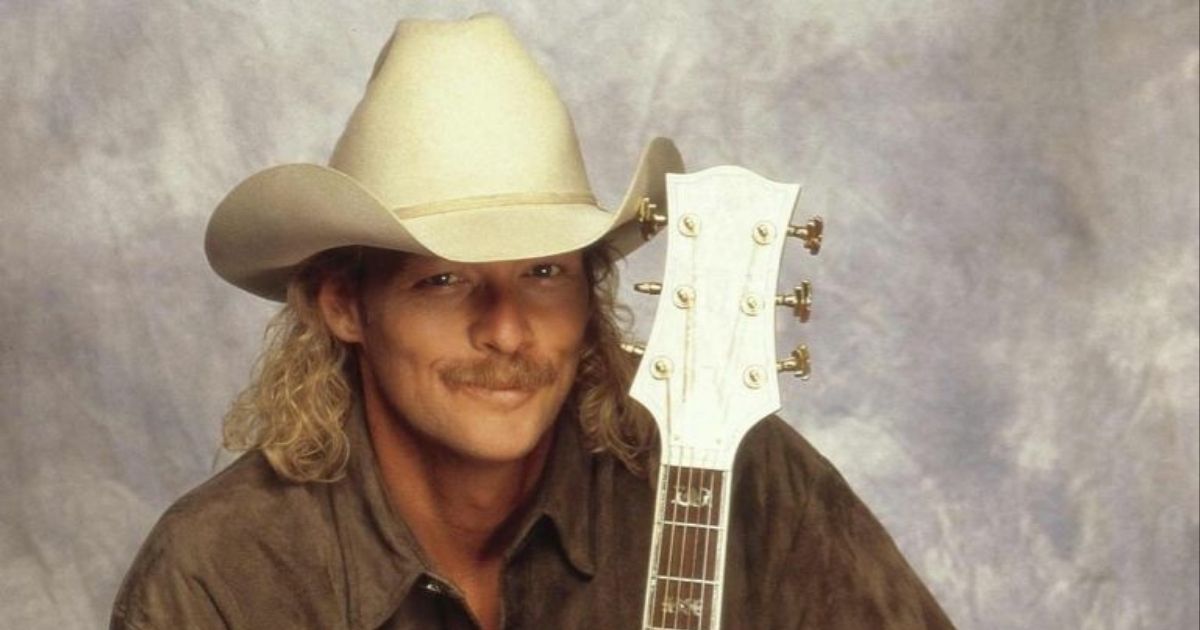
Alan Jackson’s “Someday” is a heartfelt ballad that perfectly captures the tension, frustration, and unspoken love that often exist within relationships. Released in 1991 as the third single from his second studio album Don’t Rock the Jukebox, the song reached number one on the Billboard Hot Country Singles & Tracks chart. Co-written by Alan Jackson and Jim McBride, “Someday” stands as one of Jackson’s most poignant early hits, showcasing not only his talent as a vocalist but also his ability to write songs that feel deeply relatable and emotionally honest.
At its lyrical core, “Someday” tells the story of a strained relationship where promises and excuses have taken the place of real action. The narrator reflects on the countless times he has told his partner “someday” when asked to make changes or commitments, only to realize that the delay and inaction have eroded their love. The song’s central theme is procrastination in love—a reminder that putting off important gestures or decisions can have devastating consequences. It is an intimate look at a couple on the verge of breaking apart, with the narrator painfully acknowledging his shortcomings and the possibility that it might be too late to save what they once had.
The brilliance of the lyrics lies in their simplicity and universality. Nearly everyone can relate to making promises they didn’t keep, postponing important conversations, or taking loved ones for granted with the belief that there will always be more time. In “Someday”, Alan Jackson and Jim McBride give voice to these everyday struggles, framing them within the context of a failing relationship. The repetition of the word “someday” becomes a haunting refrain, symbolizing not just delay but also regret and loss.
Musically, “Someday” embodies the hallmarks of Jackson’s neotraditional style. The arrangement features steel guitar, piano, and a steady mid-tempo beat that emphasizes the ballad’s melancholic tone. It strikes a delicate balance between classic honky-tonk elements and a polished, radio-friendly production, making it both authentic and accessible. The melody is gentle but tinged with sadness, providing the perfect backdrop for the weight of the lyrics. Rather than overwhelming the listener with dramatic instrumentation, the music leaves space for Jackson’s voice and the song’s story to take center stage.
Alan Jackson’s vocal performance is the true heart of the song. Known for his smooth baritone and his ability to deliver lyrics with sincerity and restraint, Jackson brings a level of authenticity that makes “Someday” deeply moving. He avoids melodrama, instead opting for a quiet, reflective tone that conveys the narrator’s sorrow and regret. His delivery feels conversational, as if he is confiding in the listener, which enhances the intimacy of the song. This understated style has always been one of Jackson’s greatest strengths, and in “Someday” it allows the emotional message to resonate with clarity and honesty.
The cultural and emotional significance of “Someday” cannot be overstated. In the early 1990s, country music was experiencing a revival of traditional sounds through artists like George Strait, Randy Travis, Clint Black, and Alan Jackson himself. “Someday” fit perfectly into this neotraditional wave, offering a song that combined authentic storytelling with classic country instrumentation. It spoke directly to audiences who appreciated music that reflected real-life struggles and emotions rather than commercial gloss. At the same time, its universal theme of love lost due to neglect gave it wide appeal beyond hardcore country fans.
For Jackson’s career, “Someday” represented an important milestone. Coming on the heels of earlier hits like “Here in the Real World” and “Don’t Rock the Jukebox”, the song reinforced his reputation as not just a singer but also a songwriter capable of crafting deeply personal and resonant material. It demonstrated his commitment to the traditions of country music while also appealing to modern audiences. As one of his early number-one singles, it helped establish the foundation for a career that would eventually make him one of the most celebrated country artists of all time.
What makes “Someday” endure is its timeless relevance. Even decades after its release, listeners continue to find meaning in its message. Relationships remain complicated, and the temptation to delay important decisions or conversations is as present today as it was in 1991. The song serves as a reminder that love requires effort and presence, not empty promises or vague assurances. It is a cautionary tale wrapped in a beautiful melody, urging listeners to cherish their partners in the present rather than waiting for “someday.”
In conclusion, Alan Jackson’s “Someday” is a masterful country ballad that combines poignant storytelling, authentic instrumentation, and heartfelt vocal delivery. With its theme of procrastination, regret, and lost love, the song speaks to universal human experiences while remaining firmly rooted in the traditions of country music. As both a hit single and a piece of lasting artistry, “Someday” stands as one of Jackson’s most enduring contributions to the genre—a reminder that the moments we put off may be the ones we never get back.