
About the song
🎯 Basic Info — Song Context, Release & Genre
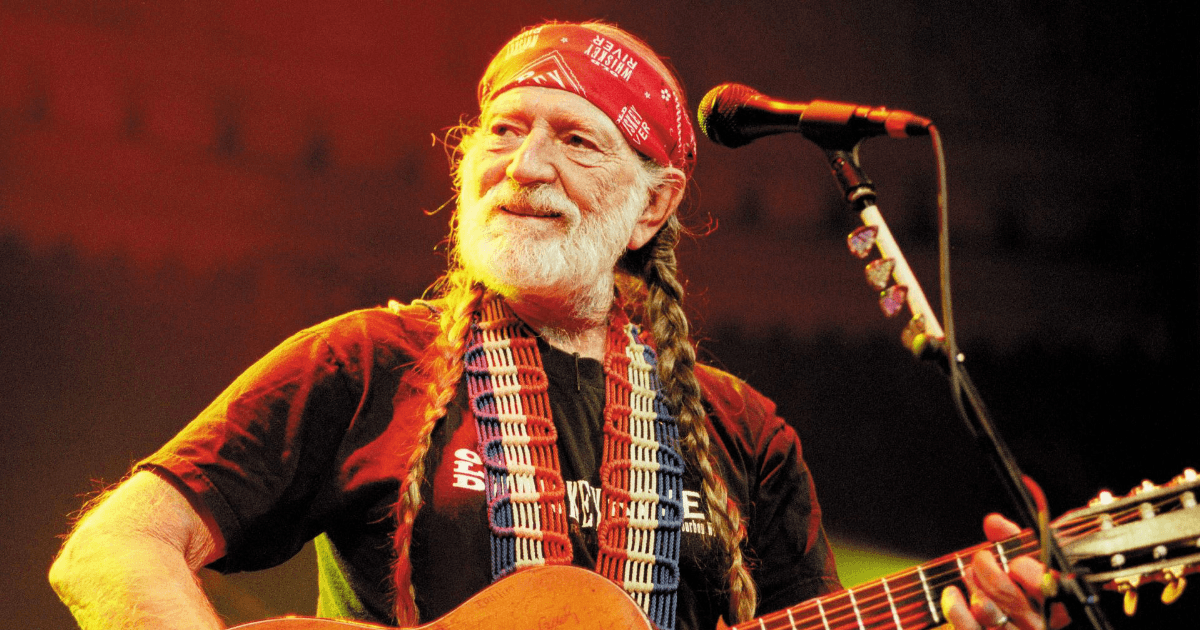
“If I Were The Man You Wanted” is a song performed by Willie Nelson. It reflects the deep roots of his style in country music, with touches of folk and heartfelt ballad tradition that have defined much of his long career. The song captures Nelson’s blend of simplicity and emotional honesty — qualities that make many of his pieces timeless.
While details about the exact original release year of this particular track may vary across different compilations or live albums, the essence of the song remains firmly planted in the classic country era of Willie’s musical journey. As with many songs in his catalog, this track carries the hallmarks of traditional country storytelling — gentle instrumentation, honest lyrics, and a vocal delivery that balances vulnerability and strength.
🎵 Musical Style & Arrangement
Musically, “If I Were The Man You Wanted” relies on a relatively simple, uncluttered arrangement — a hallmark of Willie Nelson’s most affecting works. The arrangement features acoustic guitar as the foundation, perhaps supported by soft electric guitar touches, subtle bass or double bass undercurrents, and gentle rhythm to give the song a slow, reflective pulse. A piano or light keyboard may hover in the background, providing warmth, and occasional touches of steel guitar or fiddle could surface, deepening its country flavor.
This restrained accompaniment is deliberate: it creates space for Willie’s voice — worn, rich, and emotionally expressive — to carry the weight of lyric and sentiment. His vocal delivery in this song is likely introspective and confessional, with a tone that mixes hope, regret, yearning, and sober honesty. There are no flashy solos or dramatic crescendos — instead, the performance is intimate, like a close conversation performed late at night, letting the listener lean in and absorb every nuance.
💔 Themes, Lyrics & Emotional Depth
At the heart of “If I Were The Man You Wanted” lies a powerful emotional confession. The narrator imagines himself as the man his beloved truly deserves — one who could meet her needs, share her dreams, and be the partner she hoped for. It is a plea from someone who recognizes his limitations, perhaps his mistakes or his shortcomings, and wonders what could have been if he had been different — stronger, more faithful, more present.
The lyrics likely explore regret, longing, self-awareness, and desire for redemption. This is not a song of boasting or bravado; it is a humble, vulnerable admission of love paired with self-doubt. The narrator doesn’t ask for a miracle — he simply wonders, softly and sincerely, whether he could have been the right man for her, if given the chance. The yearning is tinged with pain, because it acknowledges loss or distance, but it is also imbued with tenderness and respect, as if the narrator values her enough to admit his flaws rather than pretend otherwise.
This internal conflict — between love and insecurity, between wishing and reality — gives the song a quietly tragic beauty. It speaks to anyone who has loved imperfectly, who has known loss not because of grand betrayals, but because of small failures, missed chances, or harsh truths. It’s a meditation on love’s fragility and on the courage it takes to face one’s own shortcomings.
🕰️ Significance in Willie Nelson’s Oeuvre & Artistic Identity
Within Willie Nelson’s vast discography, “If I Were The Man You Wanted” exemplifies his talent for turning personal vulnerability into universal emotion. Throughout his career, Nelson often walked the line between outlaw-style grit and heartfelt balladry. This song leans toward the latter — toward softness, introspection, and emotional clarity.
By choosing simplicity over spectacle, Nelson reminds listeners that the most profound feelings are not always loud. His voice, seasoned by years of living, carries understanding, life-weariness, longing, and wisdom — all in the same breath. In this sense, the song reflects the artist’s maturity: not a young man singing of passion or rebellion, but a seasoned soul reflecting on love, regret, and what might have been.
Additionally, the song demonstrates his belief in storytelling — the idea that songs are more than melodies, they are confessions, windows into real lives, hopes, and heartbreaks. For longtime fans and new listeners alike, “If I Were The Man You Wanted” offers a chance to connect deeply, to empathize, and to feel not just what the narrator wishes he could have been, but what human longing feels like.
🌟 Why the Song Matters — Its Lasting Appeal
There are several reasons why “If I Were The Man You Wanted” remains powerful and meaningful:
Emotional Honesty & Relatability: Many people have experienced regret, loss, or the realization that love alone might not be enough. The song speaks to that universal pain with compassion and sincerity.
Vintage Country Aesthetic: Its gentle instrumentation and vocal delivery offer a timeless country sound — comforting, melancholic, and authentic.
Intimate, Personal Storytelling: The song feels like a private confession or a mid-night conversation — a space where vulnerability is allowed and embraced.
Nuanced Portrayal of Love & Loss: It doesn’t dramatize love or heartbreak, but acknowledges the subtle, often quiet ways a relationship can falter — and the quiet regrets that follow.
Artistic Integrity: In an era where many songs chase flash or glamour, this track stands apart by choosing raw truth over showmanship, showcasing Willie Nelson’s enduring ability to convey depth through simplicity.
In conclusion, “If I Were The Man You Wanted” by Willie Nelson is not just another love song — it is a tender, haunting meditation on regret, longing, and the unfulfilled possibilities of love. Its gentle instrumentation, soulful vocals, and emotional transparency invite the listener into a space of reflection, empathy, and mourning for what might have been. The song remains timeless because its themes are universal: love, regret, hope, and the quiet ache of wishing we could have been enough. Under the soft glow of Nelson’s voice, the listener doesn’t just hear a story — they feel it.