
About the song
Rick Nelson’s “Garden Party” is not just a song — it’s a personal statement, a turning point, and a reflection of an artist’s confrontation with fame, authenticity, and artistic integrity. Released in 1972 on his album Garden Party, the song was both a commercial and critical success, peaking at #6 on the Billboard Hot 100 and reaching #1 on the Adult Contemporary chart.
More importantly, “Garden Party” is an autobiographical narrative that captures a real-life event in Nelson’s career — his ill-fated performance at Madison Square Garden in 1971. What might have been a celebratory concert turned into an emotionally charged moment that symbolized the clash between the past and the present, between nostalgia and evolution.
Through “Garden Party,” Nelson transformed personal rejection into a timeless message about staying true to oneself, even when misunderstood by others. It’s a song about growing up, moving on, and finding peace in being authentic — a theme that resonates far beyond its specific story.
Background and Inspiration
To understand “Garden Party,” it’s essential to know the context of Rick Nelson’s career. In the late 1950s, Nelson was one of America’s first true teen idols. He rose to fame as the charming young star of The Adventures of Ozzie and Harriet — a television show featuring his real family — and quickly became a pop sensation with hits like “Hello Mary Lou”, “Poor Little Fool”, and “Travelin’ Man.”
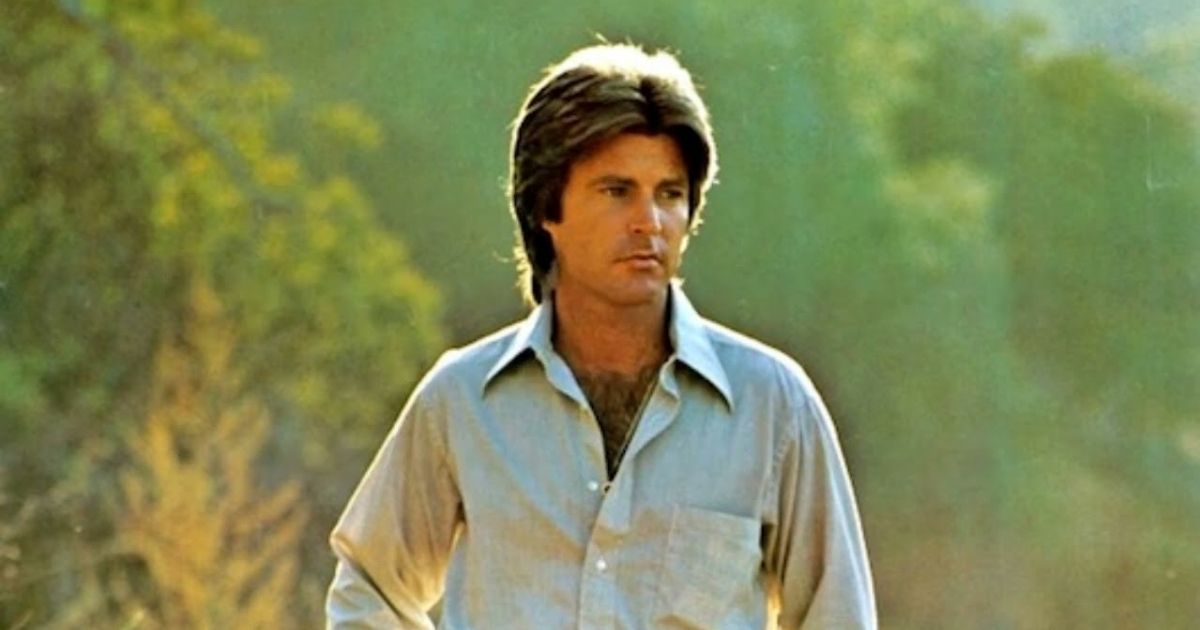
By the early 1970s, however, Nelson had outgrown his clean-cut image. Inspired by artists like Bob Dylan, The Byrds, and The Eagles, he began moving toward a country-rock sound that reflected his more mature perspective and artistic growth.
In October 1971, Nelson was invited to perform at Richard Nader’s “Rock and Roll Spectacular” at Madison Square Garden — a nostalgic event featuring early rock ‘n’ roll legends like Chuck Berry, Bo Diddley, and others. Nelson, hoping to bridge his old hits with his new sound, performed both his classics and contemporary material, including a cover of the Rolling Stones’ “Honky Tonk Women.”
To his surprise, the audience — expecting the teenage idol from the 1950s — booed him when he appeared with long hair and modern clothes. Though some accounts suggest the booing wasn’t directed specifically at him, Nelson took it personally. He left the stage feeling humiliated and disillusioned.
Instead of bitterness, however, Nelson turned that experience into creative fuel. He channeled his disappointment into “Garden Party”, writing one of the most poetic and self-aware songs of his career.
Lyrics and Themes
“Garden Party” tells the story of Nelson’s Madison Square Garden experience through a series of lyrical metaphors and allusions. The “garden” refers to Madison Square Garden, but Nelson frames it as a kind of dreamlike gathering filled with old friends, ghosts of the past, and symbols of fame and self-discovery.
The song opens with a calm, conversational tone:
“I went to a garden party, to reminisce with my old friends,
A chance to share old memories, and play our songs again.”
These lines set a nostalgic scene — a musician returning to the stage, eager to reconnect with his audience and his past. But the tone shifts as he sings:
“But when I got to the garden, they all knew my name,
No one recognized me, I didn’t look the same.”
Here lies the central tension: Nelson’s transformation. He’s the same artist, but he’s no longer the boyish figure fans once adored. His appearance and style reflect change, and the crowd’s rejection symbolizes the public’s resistance to artists evolving beyond their image.
Nelson’s lyrics are full of veiled references to people and situations. For instance:
“Yoko brought her walrus” refers to John Lennon and Yoko Ono, representing the countercultural shift of the late 1960s.
“Mr. Hughes hid in Dylan’s shoes” alludes to George Harrison (who used the alias “Mr. Hughes”) and his admiration for Bob Dylan.
“I said hello to Mary Lou, she belongs to me” cleverly references his 1961 hit “Hello Mary Lou” and Dylan’s “She Belongs to Me.”
These lines intertwine Nelson’s personal history with broader musical culture, situating him within a community of artists who also grappled with change and authenticity.
The song’s emotional heart comes in the chorus:
“But it’s all right now, I learned my lesson well,
You see, you can’t please everyone, so you got to please yourself.”
This refrain encapsulates the song’s core message — self-acceptance and artistic integrity. After years of trying to fit public expectations, Nelson declares his independence. He accepts that true happiness comes from being genuine, not from chasing approval.
Musical Style
Musically, “Garden Party” blends country-rock, folk, and soft rock — genres that Nelson helped popularize in the early 1970s. The song’s acoustic guitar foundation, gentle rhythm, and clear vocal delivery create a sense of calm reflection, in contrast to the turmoil of its subject matter.
Unlike his youthful rock ‘n’ roll hits, “Garden Party” favors maturity over energy. The production is clean but intimate, allowing Nelson’s lyrics and voice to carry emotional weight. The arrangement features country-style guitars, steady percussion, and warm harmonies that reflect Nelson’s shift toward roots-oriented music.
This sonic choice reinforces the song’s message: Nelson was no longer trying to be the pop idol of his past — he was embracing authenticity and artistic evolution.
Reception and Legacy
Upon its release in 1972, “Garden Party” was both a commercial comeback and a critical triumph. It became Nelson’s first Top 10 hit in a decade, proving that he could still connect with audiences — this time, on his own terms.
The song struck a chord with musicians and listeners alike. Many saw it as an anthem for artistic freedom and personal growth, a universal truth that resonated far beyond the specifics of Nelson’s story.
Tragically, Rick Nelson’s career was cut short when he died in a plane crash in 1985 at the age of 45. Yet “Garden Party” remains his defining statement — a song that perfectly encapsulates the arc of his life and career: from teenage idol to mature artist, from public rejection to private acceptance.
Today, “Garden Party” is often cited as one of the most self-referential songs in popular music, standing alongside works like Bob Dylan’s “My Back Pages” or The Beatles’ “In My Life.” It continues to inspire artists who struggle with the tension between audience expectation and personal authenticity.
Conclusion
Rick Nelson’s “Garden Party” is a masterful reflection on fame, identity, and self-discovery. More than a simple recounting of an awkward concert, it’s a philosophical meditation on the price of growth — the realization that you can’t stay frozen in time to please others.
With its gentle melody, clever lyrical references, and timeless message, “Garden Party” transcends the specifics of Nelson’s life to speak to anyone who’s ever had to choose between conformity and truth.
In the end, Nelson’s lesson is universal and eternal:
“You can’t please everyone, so you got to please yourself.”
And in doing so, he created not only his greatest artistic triumph but also one of the most honest songs ever written about what it means to be human, vulnerable, and free.