
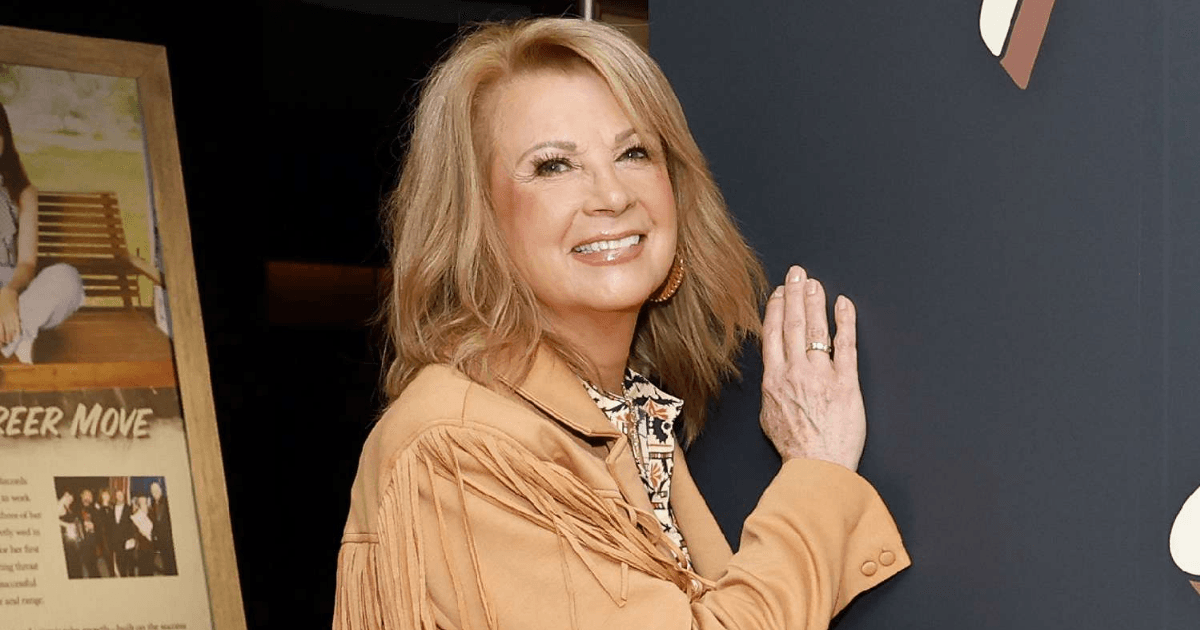
About the song
Song: Crazy Arms
Artist: Patty Loveless
Release Year: 1990 (from her album On Down the Line)
Genre: Country / Traditional Honky-Tonk Ballad
In 1990, Patty Loveless released her version of “Crazy Arms” on the album On Down the Line, drawing from country music’s rich tradition while infusing the song with her own emotional depth and vocal nuance. The track stands as one of Loveless’ most heartfelt interpretations of classic material, honoring the legacy of a song that had already lived many lives in the American musical landscape. Loveless brings to it something deeply personal — a blend of vulnerability, conviction, and emotional intelligence that transforms the lyrics from mere words into a lived emotional journey. This recording reminds listeners that country music’s greatest strength lies not only in storytelling but also in how a singer feels that story in every breath.
A Song Built on Painful Truth
At its core, “Crazy Arms” is a classic country lament. It speaks from the perspective of someone so burdened by heartbreak that even simple reflections on life become sharp and bittersweet. The title — crazy arms — evokes images of restless nights, loose embraces, and a heart that cannot find rest. The narrator addresses a partner who has left, acknowledging the pain and disorder that love’s dissolution has brought into his life. His arms, once steady and warm, now feel “crazy” — perhaps metaphorically reaching for something that no longer returns his affections.
Patty Loveless does not merely sing these words; she inhabits them. Her voice carries a thread of pain that feels lived-in rather than performed, as though she is speaking from experience rather than simply reciting lyrics. That’s a significant part of what elevates her rendition: the emotional authenticity she brings to the song. In Loveless’ hands, “Crazy Arms” becomes more than a lament — it becomes a confession, a regret, and an unresolved ache all at once.
Vocal Delivery: Heartfelt and Nuanced
Patty Loveless has always been known for her vocal authenticity — the ability to convey emotional truth without resorting to theatrics. In “Crazy Arms,” this talent becomes especially evident. She doesn’t need to force big notes or dramatic rises; instead, she uses phrasing, subtle dynamic shifts, and a natural warmth in her tone to communicate the song’s emotional gravity.
Loveless’ interpretation captures the song’s duality: it is both broken and defiant, tender and aching. Some lines are delivered with a softness that suggests lingering hope, while others are edged with a resigned hardness that acknowledges love’s loss. Her voice serves as an emotional compass, guiding listeners through the inner terrain of someone who has loved deeply and lost painfully.
Musical Arrangement: Traditional Roots, Emotional Clarity
Musically, “Crazy Arms” stays true to the roots of traditional country and honky-tonk styles. The arrangement features straightforward, warm instrumentation — acoustic guitar, gentle steel guitar lines, and a rhythm that doesn’t rush the story. Instead, the music supports the emotional pacing of the lyrics, allowing space for reflection and resonance.
The simplicity of the arrangement is crucial. It avoids overshadowing the vocal performance and instead creates a supportive landscape upon which Loveless’ voice can soar and settle with equal precision. The steel guitar’s subtle cries echo the narrator’s unspoken regrets, while the steady rhythm grounds the song in the lived reality of heartbreak. It feels like a slow, contemplative walk through memory rather than an explosive outcry.
Themes of Heartbreak and Reflection
One of the defining features of “Crazy Arms” is the emotional complexity it explores. Unlike songs that center on anger or self-pity following a breakup, this track focuses on the quiet, often disorienting aftermath of emotional loss. The narrator isn’t ranting — he’s processing. He tries to make sense of what happened, and what it has left behind.
There’s a kind of aching dignity in the way the song addresses heartbreak. The narrator doesn’t curse fate or blame the partner outright; instead, he reflects, acknowledges pain, and reveals how deeply the loss has unsettled his inner world. In many ways, this makes the song more relatable and more powerful. Heartbreak isn’t always dramatic — often, it resides in the slow, internal shifts that only the one experiencing it can truly feel.
Loveless’ interpretation highlights this theme beautifully. She doesn’t paint heartbreak as a spectacle but as an emotional weather pattern that lingers, changes, and ultimately shapes the person who lived through it. The result is a deeply human portrait: a heart weighed down, not by anger, but by memory.
Cultural and Emotional Resonance
By the time Patty Loveless recorded “Crazy Arms,” the song had already been sung by multiple generations of country artists. But her version stands out because it bridges tradition with personal imprint. She doesn’t simply replicate what came before; she filters it through her own emotional sensibility. In doing this, she honors the song’s history while making it her own.
Her rendition resonates with country listeners because it preserves the genre’s storytelling heart while also embracing vulnerability. The song acknowledges the pain of love and loss not in a declarative way, but in a reflective, almost intimate whisper. It’s a soundscape of introspection, and Loveless guides listeners through it with a voice rich in empathy and truth.
Conclusion: A Timeless Portrait of Love and Loss
Released in 1990 within the framework of traditional country and honky-tonk styles, Patty Loveless’ rendition of “Crazy Arms” stands as a timeless meditation on heartbreak, memory, and emotional vulnerability. The song’s emotional clarity, heartfelt vocal delivery, and supportive musical arrangement create a listening experience that feels personal, contemplative, and deeply human. Instead of grand dramatics, it relies on quiet truth — a truth that lingers in the silence between notes and in the subtleties of Loveless’ voice.
Ultimately, “Crazy Arms” in Patty Loveless’ hands is not just a cover — it is a reinterpretation that both respects the song’s tradition and breathes new emotional life into its letters and melodies. It remains one of her most affecting performances, a song that invites listeners to reflect on heartbreak not as an event, but as a lingering, echoing experience of the heart.