
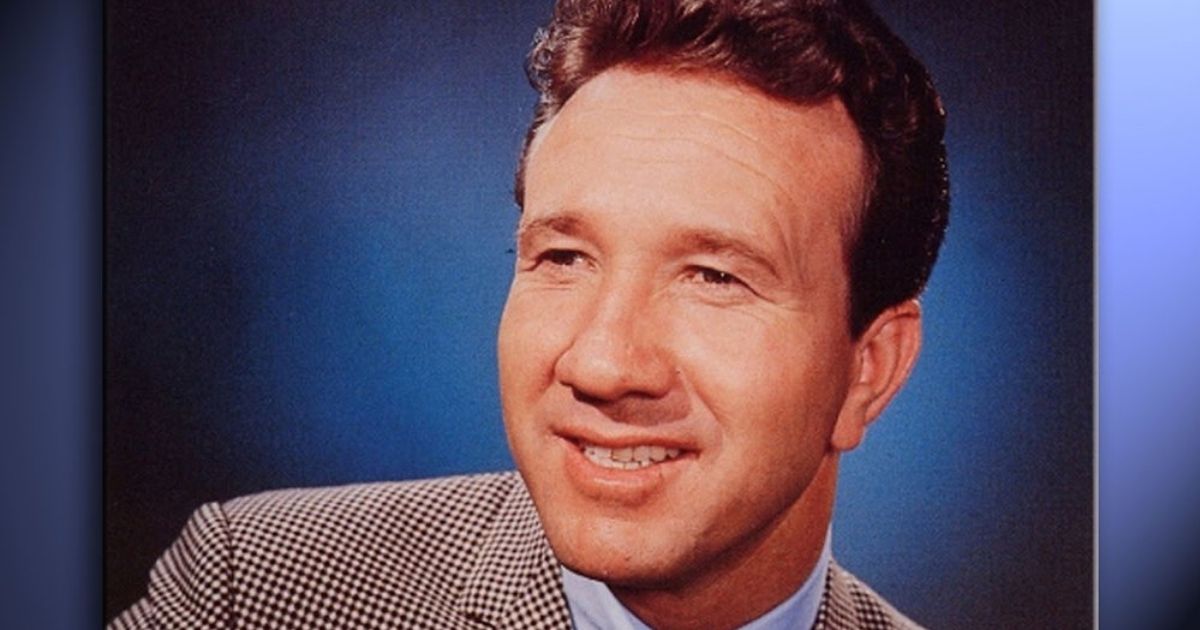
About the song
“Begging to You” is one of Marty Robbins’ most heartfelt and emotionally charged songs, capturing the essence of vulnerability and longing that defined much of his best work. Released in 1963, the song became a No. 1 hit on the Billboard Hot Country Singles chart and remains one of Robbins’ most enduring ballads. Through its gentle melody and sincere lyrics, “Begging to You” paints a vivid picture of a man humbled by love — a man willing to set aside pride for the chance to be reunited with the one he adores.
The song showcases everything that made Marty Robbins such a beloved figure in country music: a silky-smooth voice, a gift for storytelling, and an ability to fuse traditional country sounds with pop-influenced sophistication. “Begging to You” is not just a love song; it’s a meditation on heartbreak, forgiveness, and the human need for connection. It reflects the softer, more introspective side of Robbins’ artistry — a contrast to his more dramatic western ballads like “El Paso” or “Big Iron.”
Background and Historical Context
By the early 1960s, Marty Robbins was already an established superstar in American music. Born Martin David Robinson in 1925 in Glendale, Arizona, he rose to fame in the 1950s with his smooth blend of country, pop, and western music. Robbins was unique in that he didn’t confine himself to one style — he could sing honky-tonk heartbreakers, rockabilly tunes, cowboy narratives, and lush romantic ballads with equal ease.
“Begging to You” was recorded during a particularly successful phase in his career. After his crossover triumph with “El Paso” (1959), which had topped both country and pop charts, Robbins continued to refine his sound. The early ’60s saw him experiment with orchestral arrangements and softer production, appealing to both country audiences and the mainstream pop market.
Written by Robbins himself, “Begging to You” was released as a single on Columbia Records in November 1963 and quickly climbed to the top of the charts. It exemplified the Nashville Sound of the era — a style characterized by smooth vocals, subdued instrumentation, and emotional restraint — but with Robbins’ personal warmth and sincerity giving it an unmistakable depth.
Lyrical Analysis
The lyrics of “Begging to You” are deceptively simple but profoundly moving. They convey a man’s unguarded confession of regret and desire for reconciliation. The opening lines set the tone immediately:
“I left you this morning, couldn’t take any more,
You laughed and you dared me to walk out the door…”
In just two lines, Robbins captures the pain of pride and the impulsive act of leaving someone you love in the heat of anger. But as the song unfolds, that pride dissolves into remorse and yearning. The narrator realizes that love is stronger than ego, and so he returns — humbled and vulnerable:
“Now I’m begging to you,
Let me try again,
I want you to know that I’m begging to you.”
These lines express a universal truth about love — that sometimes the need for connection outweighs the desire to be right. Robbins delivers these lyrics not as an actor performing a role, but as a man genuinely baring his soul. His voice quivers slightly, his phrasing softens at key emotional moments, and every word feels lived-in and sincere.
Unlike many country songs of the time that celebrated masculinity and independence, “Begging to You” dared to show male vulnerability. It portrays love as an experience that can humble even the strongest person. That emotional honesty is a hallmark of Robbins’ songwriting — his ability to balance tenderness and strength, sorrow and hope, in perfect proportion.
Musical Composition and Style
Musically, “Begging to You” exemplifies the lush, melodic sound of early 1960s country-pop. The arrangement is minimal but elegant — featuring soft guitar strumming, gentle piano accents, and light percussion. There’s a subtle use of strings in the background, creating a warm and almost cinematic atmosphere without overwhelming the simplicity of the song.
The song’s tempo is slow and deliberate, matching the tone of confession and pleading. Robbins’ vocal delivery is the centerpiece: smooth, resonant, and deeply expressive. He shifts between controlled phrasing and emotional release, making the listener feel every ounce of pain and devotion in his performance.
This understated musical style helped distinguish Robbins from his contemporaries. While other country artists leaned heavily on twangy guitars and steel-driven honky-tonk, Robbins favored graceful, orchestrated arrangements that appealed to a broader audience — paving the way for the Nashville Sound’s popularity throughout the 1960s.
Themes and Emotional Resonance
At its heart, “Begging to You” is about redemption through love. It captures the fragile balance between pride and affection — the willingness to admit mistakes and seek forgiveness. Robbins frames this emotional struggle with grace and humility, avoiding melodrama and instead offering quiet sincerity.
The song also reflects a universal human experience: the moment when love outweighs self-consciousness, when saying “I’m sorry” becomes the only path forward. It’s this emotional truth that allows the song to resonate with listeners even decades after its release.
Reception and Legacy
When “Begging to You” topped the country charts in 1964, it reinforced Marty Robbins’ reputation as one of the most versatile and emotionally intelligent artists in country music. The song remained a staple of his live performances and continues to be regarded as one of his finest vocal achievements.
Beyond its chart success, the song’s influence can be seen in the works of later artists such as Glen Campbell, Don Williams, and Alan Jackson, who admired Robbins’ smooth delivery and storytelling finesse. It stands as a timeless example of how simplicity and sincerity can carry enormous emotional weight.
Conclusion
“Begging to You” is more than a country love song — it’s a masterclass in emotional storytelling. Through heartfelt lyrics, restrained instrumentation, and a deeply moving vocal performance, Marty Robbins captures the essence of love, regret, and reconciliation. It is a song that transcends genre boundaries, speaking directly to the human heart.
In an era when country music often celebrated toughness and independence, Robbins dared to show tenderness and humility. That vulnerability became his strength, and “Begging to You” remains one of the purest expressions of that truth. Decades later, its quiet sincerity continues to move listeners — a testament to Marty Robbins’ artistry, empathy, and timeless voice.