
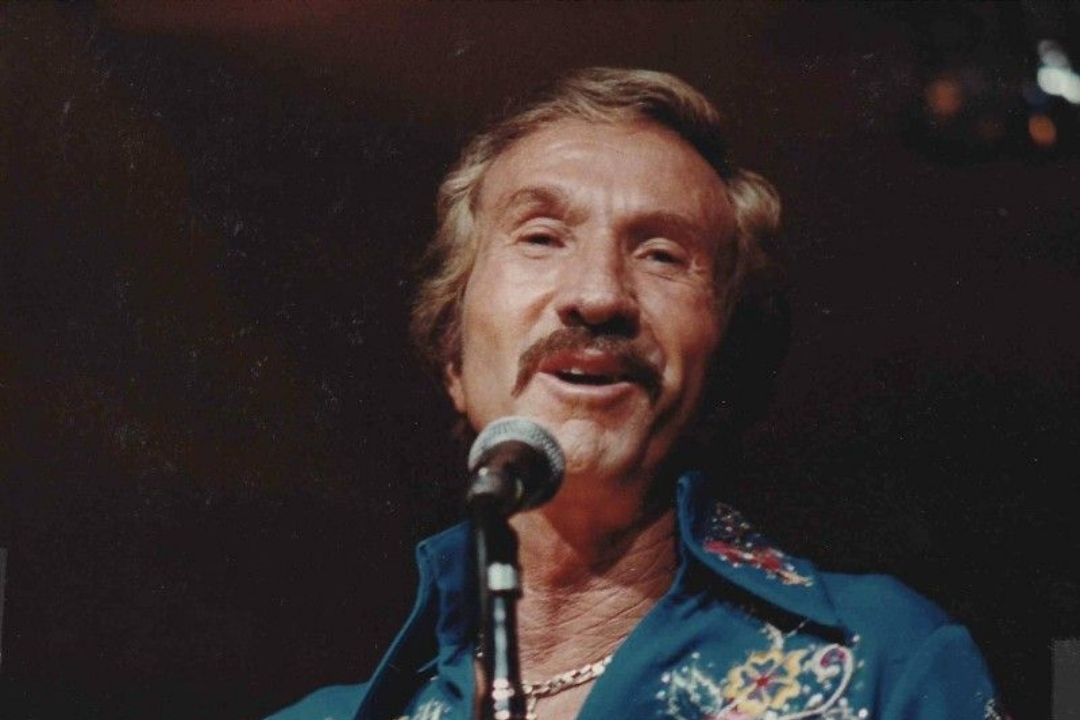
About the song
Marty Robbins – “Am I That Easy to Forget”
A poignant ballad of heartbreak, memory, and emotional vulnerability
“Am I That Easy to Forget” is a timeless ballad that has seen numerous renditions by legendary artists, but one of the most touching and memorable interpretations comes from Marty Robbins, the versatile American singer known for his deep emotional delivery and wide-ranging musical styles. Robbins, renowned for his work in country, western, and pop, brought a unique sensitivity and depth to this sorrowful song of romantic loss.
Although “Am I That Easy to Forget” was originally written by Carl Belew and W.S. Stevenson in the late 1950s and first recorded by Belew himself in 1959, it was covered by many major country artists, including Patsy Cline, Skeeter Davis, Jim Reeves, and later Engelbert Humperdinck in a more pop-oriented version. Marty Robbins’ version adds a particular warmth, introspection, and traditional country soul that make his interpretation distinctively moving.
Thematic Exploration: A Ballad of Emotional Abandonment
“Am I That Easy to Forget” deals with one of the most universal human experiences: the pain of being left behind, forgotten, and replaced by someone once believed to be a lasting presence. The narrator in the song is left grappling with a haunting question: Was I so insignificant in your life that you could forget me so quickly?
The lyrics speak with simple, direct sorrow:
“They say you found somebody new,
But that won’t stop my loving you.
I just can’t let you walk away,
Forget the love I had for you.”
What makes the song powerful is not elaborate metaphor or grand storytelling, but its emotional clarity. There is no anger or blame, only the aching sadness of someone who cannot comprehend being replaced. Robbins sings this with a soft, almost trembling sincerity, inviting listeners into the quiet devastation of unreciprocated devotion.
Marty Robbins’ Interpretation: Heartfelt Simplicity
Marty Robbins’ version is marked by his signature velvet-smooth vocals, which balance strength and vulnerability. Unlike some more theatrical versions of the song, Robbins’ delivery is understated, which makes it feel even more intimate. His voice gently conveys both emotional control and undercurrents of longing.
The arrangement typically features traditional country instrumentation—acoustic guitar, soft steel guitar flourishes, and a restrained rhythm section—which creates a spacious, reflective musical environment. The mood is somber but never melodramatic, allowing the lyrics and Robbins’ vocal tone to remain at the forefront.
One of Robbins’ greatest strengths as a vocalist was his ability to embody a story without overwhelming it. In “Am I That Easy to Forget,” he steps into the role of the forsaken lover so convincingly that it feels less like a performance and more like a confessional.
Musical Structure and Style
The song is structured as a slow ballad, typically in 3/4 or 4/4 time, with minimal instrumentation that gives it a lullaby-like gentleness. There are no key changes or elaborate bridges; its simplicity is part of its strength. The chord progression is basic, allowing the emotional resonance to come through Robbins’ phrasing and subtle dynamic control.
In Robbins’ hands, “Am I That Easy to Forget” becomes more than a country song—it becomes a meditation on how deeply memory, love, and loss are intertwined. The slow pacing and minimal ornamentation draw the listener into a state of contemplation, echoing the narrator’s own sense of loss and confusion.
Legacy and Emotional Resonance
While Robbins is often remembered for more epic, storytelling songs like El Paso or Big Iron, his renditions of soft, melancholic ballads like “Am I That Easy to Forget” highlight his emotional range and interpretive skills. This song stands out as an example of Robbins’ ability to capture raw human feeling with grace and restraint.
The enduring popularity of the song across decades and its repeated covers by various artists underscore its universal appeal. Everyone, at some point in life, grapples with the fear of being forgotten by someone they once loved dearly. Robbins gives that fear a voice—gentle, sincere, and unforgettable.
Conclusion: A Gentle Cry in the Silence of Loss
“Am I That Easy to Forget” in Marty Robbins’ hands is not just a breakup song. It is a quiet elegy to love lost, to the ghosts of memory, and to the hollow spaces left behind when someone we love no longer remembers our significance. His version remains a testament to his mastery of vocal storytelling and emotional honesty, touching listeners with a tender intensity that few others could replicate.
It’s a reminder that sometimes the simplest songs, sung with heart, carry the most enduring truths.