
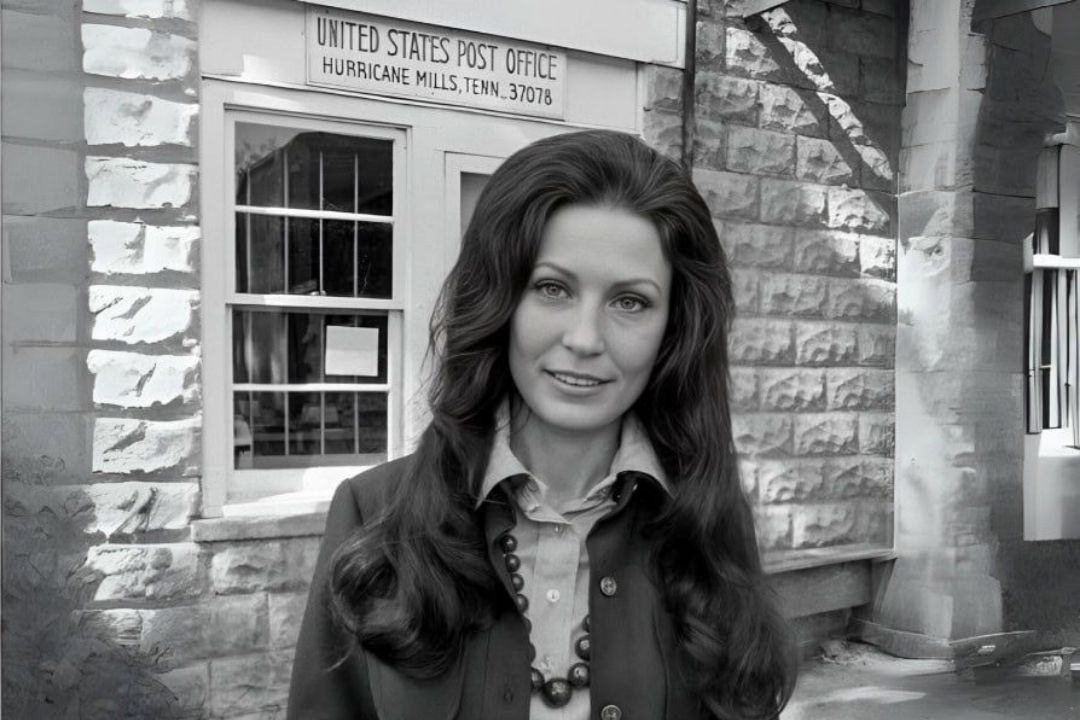
About the song
Loretta Lynn – “You Ain’t Woman Enough (To Take My Man)”
A Defiant Country Anthem That Empowered Generations of Women
Released in 1966, “You Ain’t Woman Enough (To Take My Man)” is one of Loretta Lynn’s most iconic and influential songs. As the title track from her seventh studio album, the song marked a turning point not only in her career but also in the evolution of female voices in country music. It showcased Lynn’s powerful voice, unshakable confidence, and her unique ability to articulate the thoughts and emotions of everyday women—especially those often silenced or overlooked in traditional country narratives.
With its bold lyrics, traditional honky-tonk instrumentation, and fiery spirit, “You Ain’t Woman Enough” became an instant classic. It remains one of Lynn’s signature songs and a groundbreaking work that redefined the image of women in country music during the 1960s.
Background and Inspiration
Loretta Lynn wrote “You Ain’t Woman Enough (To Take My Man)” based on a real-life conversation she had with a fan backstage at one of her shows. A woman approached Lynn and confided that another woman was trying to steal her husband. The story struck a chord with Loretta, who had experienced her own turbulent relationship with her husband, Oliver “Doolittle” Lynn. Drawing from her personal experiences and the stories of women around her, Loretta quickly turned the situation into a song—one that would speak for millions.
Written in a matter of minutes, the song became an anthem of female empowerment at a time when such themes were still rarely explored in mainstream country music.
Lyrics and Message
The lyrics of “You Ain’t Woman Enough” are direct, unapologetic, and fiercely protective. Lynn sings from the perspective of a woman addressing another who has intentions of taking her man:
“You’ve come to tell me something / You say I ought to know / That he don’t love me anymore / And I’ll have to let him go.”
But instead of bowing down, Lynn’s narrator fights back with unflinching confidence:
“You ain’t woman enough to take my man.”
This one line encapsulates the entire spirit of the song—a declaration of strength and defiance in the face of betrayal. It flips the script of the typical “cheating song” by empowering the woman being wronged, rather than casting her as a passive victim.
In an era when country music often portrayed women as dependent on their men or submissive to fate, Loretta Lynn brought a new, assertive voice to the genre. Her lyrics celebrated emotional resilience, personal boundaries, and a readiness to defend what’s hers.
Musical Style and Performance
Musically, “You Ain’t Woman Enough” is rooted in classic honky-tonk and traditional country styles. The song features prominent steel guitar, acoustic strumming, and up-tempo rhythms that give it a confident, almost strutting feel. Producer Owen Bradley, who worked with many of country’s biggest stars, ensured the production kept Lynn’s vocals front and center.
Loretta Lynn’s voice in this song is strong, twangy, and unmistakably sincere. She delivers the lyrics with both a sense of danger and control, adding nuance to the emotional charge of the message. The vocal performance is key to the song’s success—there’s a raw conviction in her tone that makes every word believable.
Cultural Impact and Legacy
Upon its release, “You Ain’t Woman Enough” became Loretta Lynn’s first No. 1 hit on the Billboard Hot Country Singles chart, setting her on a path to becoming the first lady of country music. The song solidified her reputation as a trailblazer—someone who spoke honestly and openly about the struggles and triumphs of women, especially working-class women.
The track opened the door for other female artists to tackle subjects like infidelity, jealousy, strength, and motherhood with a more unfiltered voice. Artists like Dolly Parton, Tammy Wynette, and later Miranda Lambert and Carrie Underwood, owe a great deal to the groundwork Lynn laid with songs like this.
“You Ain’t Woman Enough” has been covered by numerous artists over the decades and was even performed by Lynn alongside modern country star Martina McBride, introducing the song to new generations of fans.
Feminist Undertones in a Conservative Era
Though not explicitly feminist in the political sense, the song has often been interpreted as part of the larger feminist movement in music. Loretta Lynn gave a voice to rural, blue-collar women and brought their stories into the spotlight without sugar-coating or romanticizing the pain. In doing so, she helped reshape the role of women in country music—not as side characters in a man’s story, but as protagonists in their own right.
Conclusion
“You Ain’t Woman Enough (To Take My Man)” is more than just a catchy country tune—it is a fearless proclamation of strength, independence, and feminine pride. Loretta Lynn, through her sharp storytelling and commanding voice, created an anthem that resonated with women across generations. The song’s lasting popularity is a testament to its universal theme: the power of knowing your worth and standing your ground.
In the pantheon of country music, few songs have had the cultural impact or lasting legacy that this track has achieved. It remains one of the boldest and most beloved songs in Loretta Lynn’s vast catalog and a landmark moment in country music history.