
About the song
“Truly” stands as one of Lionel Richie’s most iconic and emotionally enduring love songs, a recording that helped define both his solo career and the sound of early 1980s romantic pop. Released in 1982, “Truly” belongs primarily to the pop and R&B genre, with strong elements of adult contemporary balladry. It was featured on Lionel Richie’s self-titled debut solo album and quickly established him not just as a former member of a successful group, but as a deeply personal songwriter and vocalist in his own right.
From the very beginning, “Truly” sets a tone of quiet intimacy. The song opens gently, almost hesitantly, with soft instrumentation that creates a private emotional space. Rather than immediately building drama, it allows the listener to lean in. This sense of closeness becomes one of the song’s defining qualities. The arrangement is elegant and restrained, relying on piano, subtle strings, and a smooth rhythmic foundation that supports the vocal rather than competing with it. Every musical choice seems designed to serve the emotion of the lyric.
Lyrically, “Truly” is a declaration of unconditional love, but it is expressed with humility rather than grandiosity. The narrator is not boasting or promising the impossible; instead, he is offering honesty, devotion, and emotional presence. The word “truly” itself becomes central to the song’s meaning. It suggests sincerity beyond words, a love that is proven through feeling and commitment rather than dramatic gestures. This approach makes the song feel deeply genuine, as if it comes from lived experience rather than romantic fantasy.
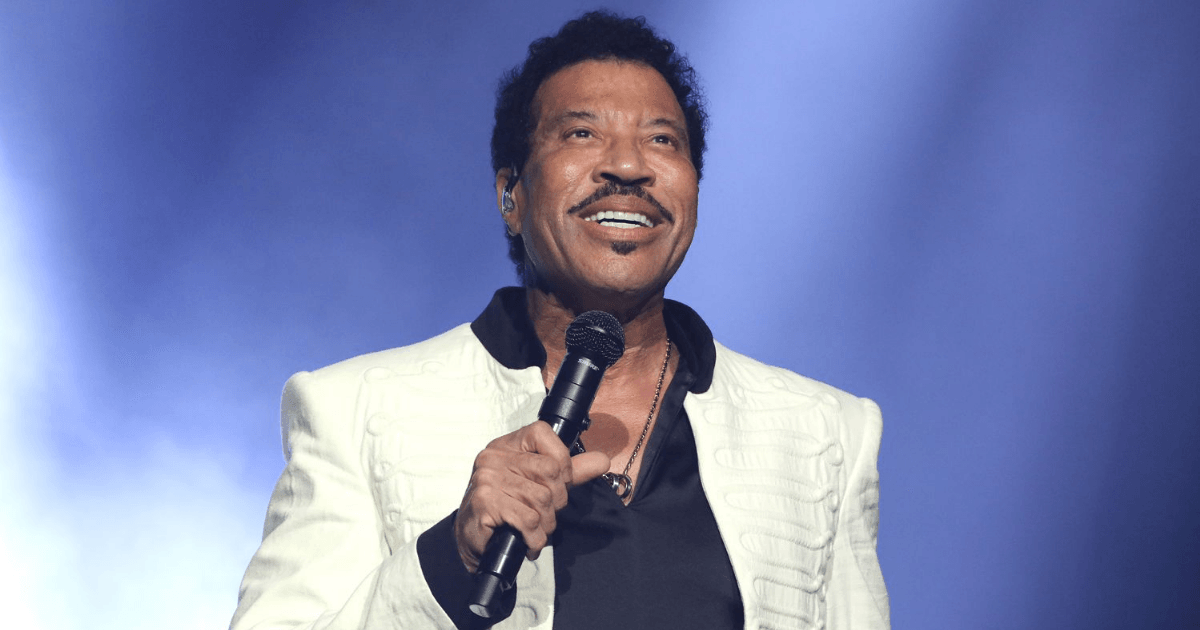
Lionel Richie’s vocal performance is the emotional heart of the song. His voice is warm, smooth, and expressive, carrying a sense of calm confidence mixed with vulnerability. He sings as someone who understands love not as an overwhelming rush, but as a steady, grounding force. There is a natural softness in his delivery, yet he maintains complete control over phrasing and tone. When the song gradually builds toward its emotional peak, Richie allows his voice to rise with grace rather than force, creating a powerful moment without sacrificing intimacy.
One of the reasons “Truly” resonated so strongly with audiences is its emotional universality. The song does not describe a specific scenario or storyline; instead, it focuses on a feeling that many people recognize—the desire to reassure someone that your love is real and lasting. This openness allows listeners to project their own experiences into the song, whether they associate it with a romantic partner, a meaningful relationship, or a defining moment in their emotional lives.
The production of “Truly” also reflects the transition of popular music in the early 1980s. While rooted in soul and R&B traditions, the song embraces a polished pop sound that made it accessible to a wide audience. This balance between emotional depth and commercial appeal was one of Lionel Richie’s greatest strengths as an artist. “Truly” exemplifies that balance perfectly, blending heartfelt songwriting with a sound that felt modern and timeless at the same time.
In the context of Lionel Richie’s career, “Truly” marked a turning point. Known previously for his work with the Commodores, he had already proven his ability to write and perform love songs. However, “Truly” showcased his ability to carry a song entirely on his own, both vocally and emotionally. It introduced audiences to a more intimate version of Richie—one less focused on groove and ensemble performance, and more centered on personal expression and emotional storytelling.
Emotionally, “Truly” is notable for its calm assurance. Unlike many love ballads that revolve around longing, loss, or uncertainty, this song is rooted in emotional stability. The narrator knows what he feels and is confident enough to express it plainly. That sense of emotional maturity is part of what gives the song its lasting appeal. As listeners grow older, the song often feels even more meaningful, reflecting a deeper understanding of love as something enduring rather than dramatic.
Decades after its release, “Truly” remains one of Lionel Richie’s signature songs. It continues to be associated with weddings, anniversaries, and moments of heartfelt connection, proving the timelessness of its message. More than just a romantic ballad, “Truly” is a quiet affirmation of sincerity, trust, and emotional honesty. It reminds listeners that the most powerful expressions of love are often the simplest ones—spoken softly, meant sincerely, and felt deeply.