
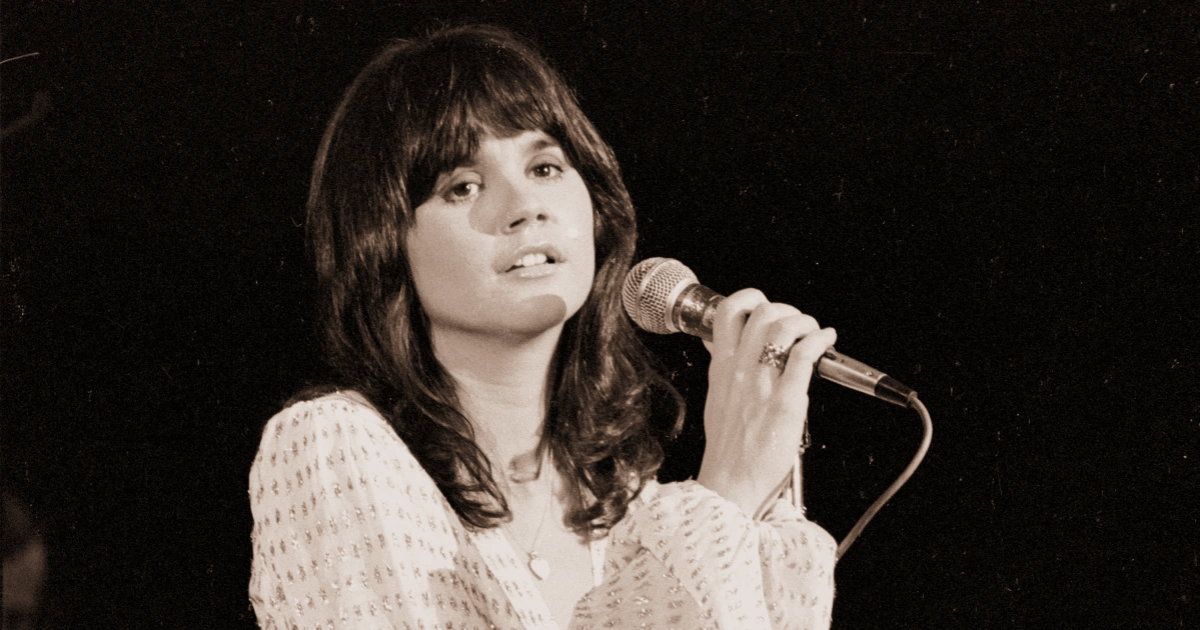
About the song
“Hurt So Bad” stands as one of Linda Ronstadt’s most emotionally powerful and vocally stunning performances, released in 1980 as part of her platinum-selling album Mad Love. Although the song itself originated in the 1960s with Little Anthony & The Imperials, Ronstadt’s version transformed it into a raw, electric, rock-infused anthem of heartbreak. Her rendition remains one of the most acclaimed covers of her career, showcasing her extraordinary ability to take an existing piece of music and completely reinvent it with passion, force, and technical brilliance.
Where the original was smooth and soulful, Ronstadt’s version is fiery, urgent, and emotionally exposed — a perfect example of her talent for blending pop, rock, R&B, and her own unique artistic intensity. It also marked a significant stylistic shift for her, as the Mad Love album ventured deeper into new wave and rock sounds, making “Hurt So Bad” a standout track that bridges the gap between her earlier country-rock era and her edgier 1980s style.
Background and Origins of the Song
“Hurt So Bad” was first written by Teddy Randazzo, Bobby Weinstein, and Bobby Hart, and originally recorded in 1965 by Little Anthony & The Imperials, where it became one of their signature hits. Over the years, the song was covered by various artists — including The Lettermen — but it was Linda Ronstadt who gave it a dramatic rock reinterpretation that introduced it to a new generation.
By 1980, Ronstadt was already one of America’s most versatile female vocalists, known for her genre-crossing success in country-rock, soft rock, and pop. With Mad Love, she took a bold step into a harder-edged new wave sound, and “Hurt So Bad” became one of the album’s centerpiece ballads. Released as a single, it climbed into the Top 10 of the Billboard Hot 100, proving that Ronstadt could dominate charts even with unfamiliar musical styles.
Lyrical Themes: Longing, Heartbreak, and Emotional Rawness
At its core, “Hurt So Bad” is a song about longing for someone who has caused deep emotional pain. The narrator is torn between desire and hurt, unable to let go despite knowing the relationship is complicated or destructive.
The chorus articulates this push-and-pull pain perfectly:
“It hurt so bad
You know it hurt so bad
I’m begging you to come back.”
The repetition emphasizes the overwhelming emotional force of heartbreak — the kind that feels physical, piercing, impossible to ignore. The lyrics capture the contradiction many people experience: still wanting the person who caused the pain, still believing that reunion might somehow heal the hurt.
Themes found in the song include:
Emotional vulnerability
Unresolved passion
The addictive nature of love
The conflict between memory and reality
It is a simple lyric on the surface, but one filled with emotional complexity — a perfect match for Ronstadt’s interpretive strength.
Linda Ronstadt’s Vocal Mastery
One of the defining features of Ronstadt’s “Hurt So Bad” is her vocal performance — powerful, soaring, yet filled with emotional ache. She brings an intensity that few vocalists can match, using her wide range and dynamic control to express every shade of heartbreak.
Her voice moves effortlessly between:
Soft, trembling vulnerability in the verses
Explosive, full-throttle emotion in the chorus
A gritty rock edge that intensifies the song’s desperation
Ronstadt was famous for her ability to belt high notes with clarity and force, and “Hurt So Bad” showcases that talent fully. The emotional weight of her interpretation makes the song feel personal, as though she is living the story rather than simply performing it.
This emotional authenticity is a key reason her version remains definitive for many listeners.
Musical Arrangement and Production
The Mad Love album introduced a sound that blended:
guitar-driven rock
new wave influences
punchy percussion
dramatic crescendos
a modernized, slightly sharp tonal palette
In “Hurt So Bad,” these stylistic elements come together to create a sound that feels both vintage and fresh. The arrangement builds tension from the start, slowly rising toward the explosive moments of the chorus.
Key elements include:
Electric guitar riffs that add grit and urgency
Pounding drums that match the emotional intensity
A strong bass line that grounds the song in rhythmic momentum
Subtle string textures that deepen the emotional atmosphere
The production balances polish with raw emotion — Ronstadt’s vocal is always front and center, with the instrumentation supporting but never overshadowing her expressive delivery.
Emotional and Cultural Impact
“Hurt So Bad” not only reaffirmed Linda Ronstadt’s dominance as a vocalist but also showcased her ability to reinterpret and reimagine classic songs for modern audiences. Her version helped introduce the song to younger listeners who might not have known the original, allowing it to become a multi-generational classic.
The song’s emotional depth and Ronstadt’s powerful interpretation have made it a favorite among fans who appreciate her ability to express heartbreak with intensity, honesty, and elegance. It is also frequently cited by music critics as an example of her vocal genius — a performance where technical skill and emotional storytelling blend seamlessly.
Why the Song Endures
“Hurt So Bad” continues to resonate decades after its release because:
Its theme of heartbreak is universal
Ronstadt’s performance is emotionally explosive and technically stunning
The arrangement gives the song a timeless rock edge
It showcases her unparalleled ability to reinterpret classic material
For many listeners, Ronstadt’s version has become the definitive one — the one that captures the true weight of longing and pain.
Conclusion
“Hurt So Bad” by Linda Ronstadt is a masterclass in emotional expression, vocal artistry, and musical interpretation. With its rock-infused arrangement, heartfelt lyrics, and Ronstadt’s passionate delivery, the song stands as one of her most powerful and memorable hits.
It is not simply a cover — it is a reinvention, a transformation, and a testament to Ronstadt’s status as one of the greatest vocalists of her era. Decades later, the song remains a shining example of how music can capture heartbreak in a way that feels immediate, honest, and unforgettable.