
About the song
Released in 1997, “The Fool” stands as one of Lee Ann Womack’s most defining early recordings, a song that helped establish her reputation as a master interpreter of heartbreak in the modern country landscape. Rooted firmly in traditional country and tinged with the emotional honesty of classic honky-tonk balladry, the track introduced listeners to Womack’s unmistakable voice — a voice capable of carrying both fragility and strength within a single breath. With its aching melody and piercing emotional clarity, “The Fool” remains one of the most beloved heartbreak songs of its era.
A Story of Emotional Complexity
At its core, “The Fool” tells a story of a woman trapped in a painful emotional triangle. She is not the one her partner loves most — the “other woman,” the lingering shadow, is still present in his heart. The narrator confesses that she still loves him deeply, yet she recognizes that he is emotionally unavailable. The title itself becomes a poignant question: Who is truly the fool? Is it the narrator for holding onto a man who can’t fully love her? Or is it the one who walked away from him? Or perhaps all three of them are “fools,” each entangled in a love that brings more pain than comfort.
This emotional ambiguity — the way the song refuses to point a single finger — is part of what makes it so enduring. Rather than villainizing any person, the song shines a light on the complicated, vulnerable places where love and longing collide. It portrays heartbreak not as something simple, but as a web of desires, regrets, and emotional truths that cannot be untangled easily.
Themes of Longing, Vulnerability, and Unanswered Questions
The song’s emotional power lies in the narrator’s vulnerability. She is honest about her pain but never melodramatic. She doesn’t demand answers; she simply reveals how deeply she cares and how much she hurts. The love she feels is still alive, even though she knows it may never be fully returned.
There is a quiet dignity in her suffering. She doesn’t beg, doesn’t accuse — she merely stands in the emotional space where love has become both a comfort and a wound. The unresolved nature of her situation makes the song even more heartbreaking. There is no promise of resolution, no hint of closure. Instead, the track captures the feeling of living inside love that is slowly slipping through your fingers.
Lee Ann Womack’s Vocal Interpretation
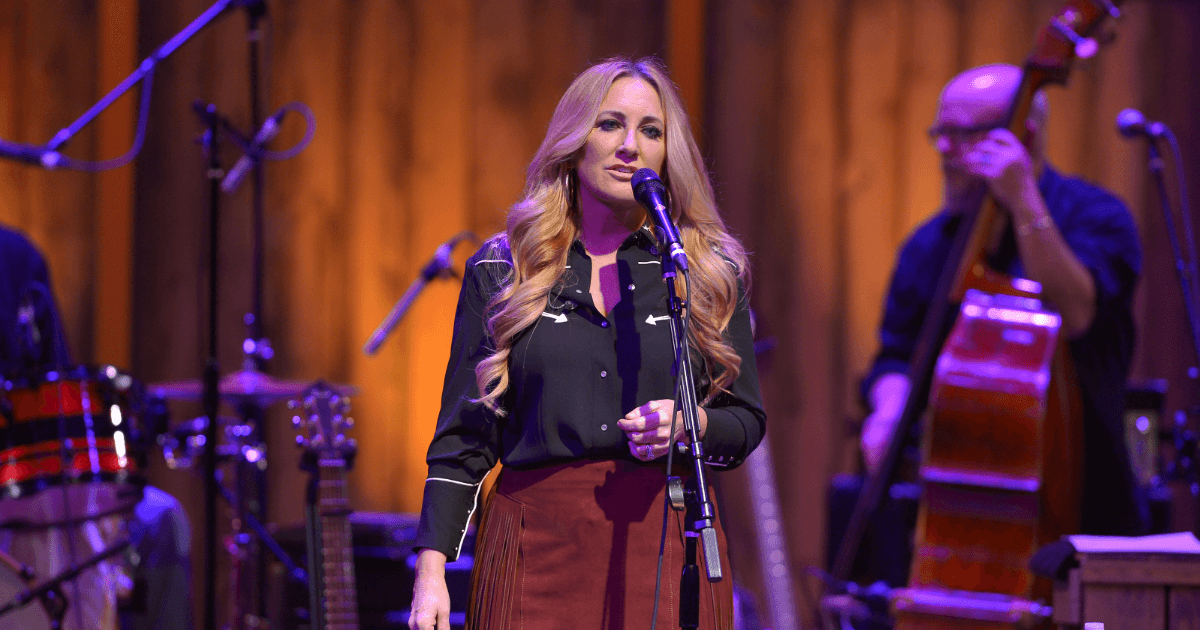
Lee Ann Womack’s voice elevates the song into something timeless. Her delivery is marked by a gentle fragility — soft, breath-filled, and deeply expressive — reminiscent of classic country singers like Tammy Wynette or Dolly Parton. Yet Womack’s tone carries its own identity: graceful, trembling, sincere.
She doesn’t oversing. Rather, she lets silence and softness do much of the emotional work. The slight cracks in her voice, the pauses between phrases, the subtle drop at the end of a line — all of these convey more emotion than any dramatic vocal flourish could. This restraint gives the song its haunting quality. It feels intimate, almost like a confession whispered in a quiet room.
Musical Style: Traditional Country Elegance
Musically, “The Fool” leans heavily into traditional country influences. The arrangement typically features gentle acoustic guitar, subdued percussion, and understated steel guitar flourishes that echo the emotional tremble in Womack’s voice. The production avoids modern gloss or heavy layering; instead, it creates a spacious, elegant backdrop that allows the story and performance to shine.
This stylistic choice is deliberate. In an era when country music was beginning to drift toward pop-leaning sounds, Womack’s commitment to traditional textures made “The Fool” stand out. Its simplicity allowed its emotional truth to resonate without distraction.
Why the Song Endures
More than two decades after its release, “The Fool” remains a fan favorite and a standout in Lee Ann Womack’s body of work. Its staying power comes from its relatability — nearly everyone has experienced a love where someone else’s presence lingered, whether in memory or reality. The song articulates a feeling many struggle to express: the sorrow of loving someone whose heart is not fully yours.
The track also showcases Womack’s profound storytelling ability, which would become the cornerstone of her career. “The Fool” is not just a country ballad; it is a portrait of emotional courage, of someone choosing honesty even when the truth hurts.
A Timeless Piece of Country Emotion
Ultimately, “The Fool” is a beautifully crafted expression of heartbreak and human vulnerability. Its blend of traditional country instrumentation, emotional storytelling, and Lee Ann Womack’s haunting performance makes it a timeless contribution to the genre. Released in 1997 and rooted in classic country tradition, the song captures the essence of heartbreak with rare sincerity and emotional depth — ensuring that it continues to resonate with listeners long after its final note.