
About the song
🎯 Context & Genre
“Nobody Loves Anybody Anymore” is delivered in the characteristic style of Kris Kristofferson — rooted in country, but imbued with folk-influenced lyricism and a poetic, introspective sensibility. Kristofferson has long been celebrated not only as a country musician, but as a singer-songwriter whose songs transcend genre boundaries, blending storytelling, social reflection, and raw human emotion. This song aligns with that tradition: it’s more than a “radio country” tune — it’s a contemplative piece that reflects pain, disillusionment, and existential longing.
Even if the song doesn’t have a clearly verified “release year” in mainstream discographies, it carries the hallmarks of Kristofferson’s mature writing: sparsely arranged instrumentation, emphasis on lyrics and mood over production gloss, and a vocal delivery that feels world-weary, honest, and unguarded.
🎵 Musical Style & Arrangement
Musically, “Nobody Loves Anybody Anymore” is built around simplicity — a hallmark of most of Kristofferson’s deeply felt songs. The backbone is likely an acoustic guitar, strummed gently, complementing his voice rather than competing with it. Underlying bass or soft rhythm might provide subtle momentum, but the arrangement remains restrained. This sparse musical palette ensures that the listener’s focus remains on the words and emotional tone.
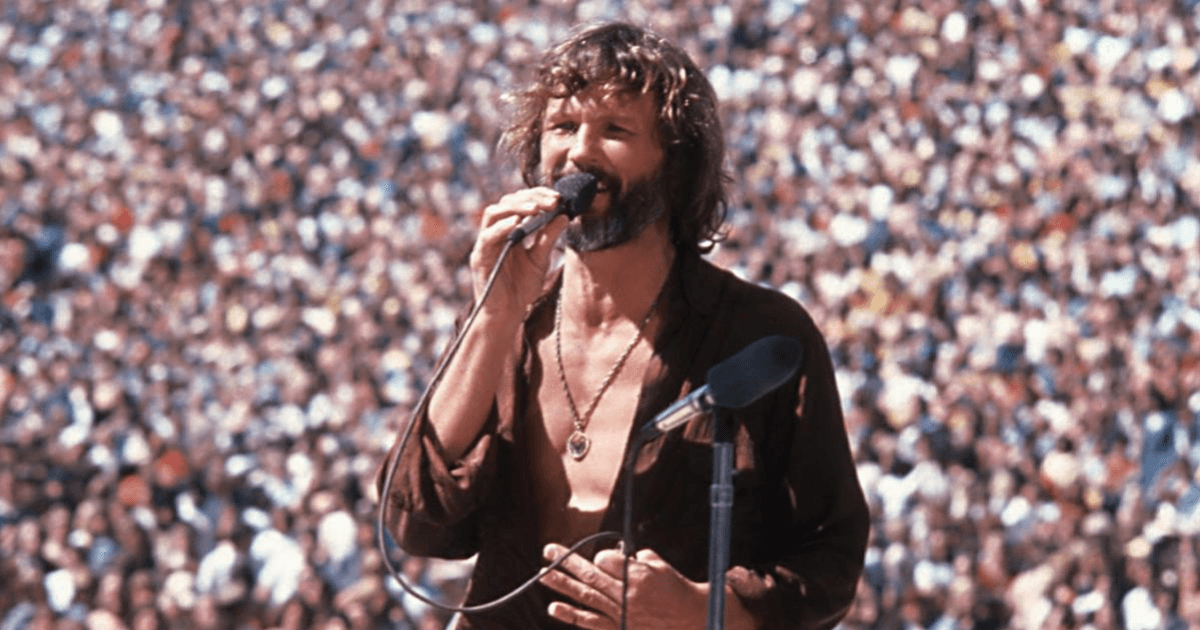
Kristofferson’s voice — roughened by time and experience — delivers the lyrics with a sense of lived reality: sometimes hoarse, sometimes soft, often gravelly, but always sincere. There is no vocal dramatization, no over-the-top ornamentation. Instead, there is weary honesty, as if the singer has lived the verses and is not afraid to show the scars. The overall mood is melancholic, introspective — the kind of sadness that doesn’t blow up in tears but sits heavily in the silence between the notes.
Such intimacy in arrangement and performance transforms the song from mere music into a confessional moment: you listen not just with ears, but as if you’re witnessing someone’s inner reckoning.
💔 Themes, Lyrics & Emotional Depth
At its core, “Nobody Loves Anybody Anymore” explores disillusionment, loneliness, and the lingering emptiness that can follow loss — whether of love, faith, or hope. The title itself is a sad refrain: a statement of belief that love — real love — is gone, or at least so rare that it feels nonexistent. The lyrics portray a world where relationships have soured; hearts have hardened; and where emotional connection seems like an endangered memory.
The narrator appears disillusioned by love’s failures. He’s perhaps witnessed betrayal, indifference, or emotional abandonment. In this song, love isn’t celebrated — it’s mourned. The narrative isn’t one of romantic longing, but of painful realization: the person once trusted, the feelings once shared, have dissipated. The lines suggest a universal feeling — not just a lost romance, but a broader loss of trust, warmth, and human connection.
There is also an element of existential sadness: the title suggests not merely a breakup, but a deeper, world-wearied cynicism. It hints at a belief that perhaps love itself has become a casualty of time, change, disillusionment, or social drift. The emotional core is heavy but honest — the kind of sorrow that doesn’t scream, but echoes quietly, persistently.
Given Kristofferson’s background as a songwriter known for social awareness and emotional depth, the song resonates as a commentary on isolation — not just personal, but societal. It invites listeners to reflect on how easily connections can fray, how trust can erode, and how love, once a source of hope, can become a memory.
🕰️ Significance & Artistic Identity
In Kristofferson’s broader body of work, “Nobody Loves Anybody Anymore” demonstrates his enduring commitment to truth-telling and vulnerability. Over decades, he has written songs of love, rebellion, sorrow, redemption — often refusing to simplify complex emotions. This track belongs to his tradition of “hard truths with soft melodies”: songs that don’t shy away from pain, but present it plainly, without melodrama.
For listeners familiar with his more famous works, this song offers a darker, more somber tone — a glimpse into the fatigue of hope, the ache of disillusionment. It stands as a testament to his willingness to confront difficult emotions, to give voice to those who carry silence in their hearts.
Even without a clearly published release date, the song has artistic weight. It embodies the spirit of a songwriter who values honesty over fame, authenticity over popularity. In some respects, its uncertain provenance adds to its mystique — it feels like a hidden confession, a whispered truth perhaps too raw for mainstream radio, but deeply human and relatable.
🌟 Why the Song Matters — Its Lasting Appeal
Emotional Realism: The song’s raw, unvarnished take on disillusionment and lost love resonates with anyone who has felt heartbreak, betrayal, or existential loneliness.
Stripped-down Honesty: Minimal instrumentation and a plain-spoken vocal style create a space for the emotional core to surface — making the song timeless and intimate.
Universal Themes: The sadness isn’t confined to romantic loss — it speaks to broader feelings of detachment, isolation, and the fading of trust or faith.
Artistic Integrity: The song embodies the essence of singer-songwriter tradition — prioritizing emotional truth and personal experience over polished production or commercial appeal.
Reflective Catharsis: Listening to it offers catharsis: a moment to recognize pain, to feel it, and maybe to find empathy in the shared human experience of loss and longing.
✨ Final Thoughts
“Nobody Loves Anybody Anymore” by Kris Kristofferson is a song that doesn’t offer comfort — at least, not in the conventional sense. It doesn’t promise healing, reconciliation, or hopeful reconciliation. Instead, it offers honesty: a clear-eyed reflection on what happens when love fades, when trust is broken, when faith in connection grows thin.
Yet in that honesty lies power. The song becomes a mirror — reflecting pain, doubt, and sorrow, but also offering validation for experiences often buried in silence. It underscores how deeply we crave connection, and how deeply we suffer when it fails.
For listeners willing to lean into its melancholy, the song offers something rare: not an escape, but a reckoning. And in that reckoning — painful as it may be — there is a kind of truth that endures.