
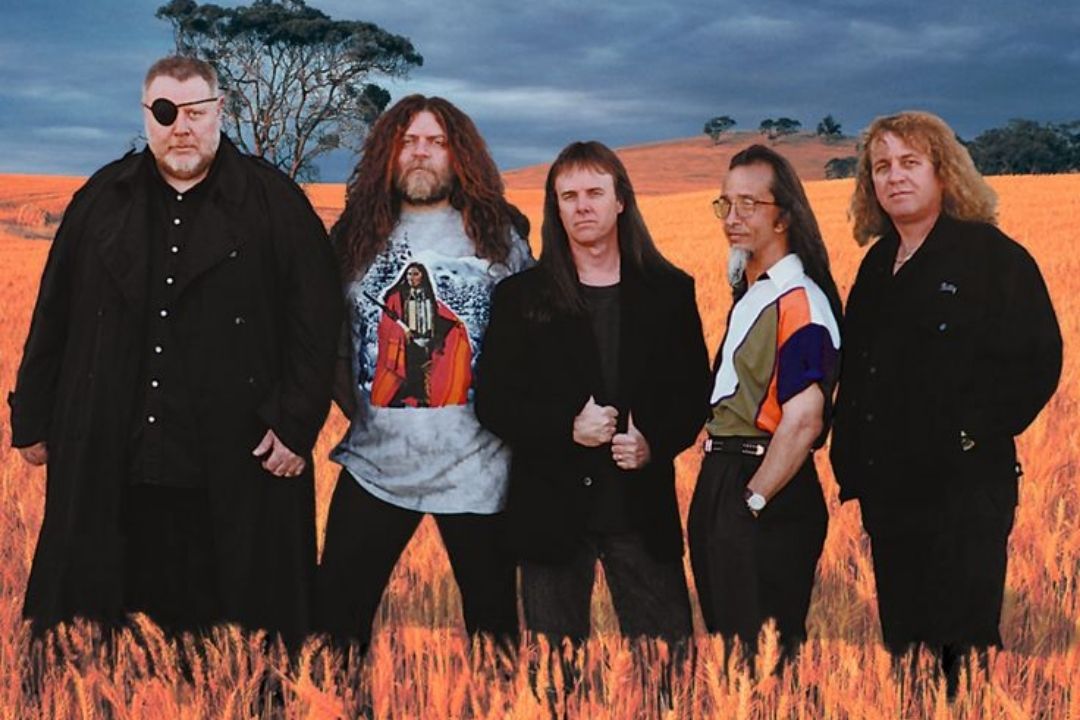
About the song
“Carry On Wayward Son” by Kansas
Released in 1976, “Carry On Wayward Son” stands as one of the most iconic and enduring classic rock anthems of all time. Recorded by the American progressive rock band Kansas, the song is featured as the opening track on their fourth studio album, Leftoverture, which became a major breakthrough for the band both commercially and artistically.
With its powerful vocals, complex instrumental arrangements, and philosophically introspective lyrics, “Carry On Wayward Son” not only elevated Kansas to mainstream fame but also secured the song’s place in rock history.
Background and Songwriting
The song was primarily written by Kerry Livgren, Kansas’s lead guitarist and one of the band’s principal songwriters. At the time, the band was under significant pressure. Their previous albums had achieved moderate success, but they hadn’t yet broken through to the national mainstream in a big way. Livgren later explained in interviews that he was going through a period of deep spiritual searching and personal reflection, and that internal struggle heavily influenced the song’s lyrics.
Interestingly, “Carry On Wayward Son” was a last-minute addition to the Leftoverture album. Livgren had written the song shortly before the band was scheduled to enter the studio. Despite its rushed inclusion, the track quickly became the defining centerpiece of the album.
Musical Composition and Structure
Musically, “Carry On Wayward Son” showcases Kansas’s signature blend of progressive rock, hard rock, and art rock influences. The song is characterized by:
Complex time signature changes
Layered vocal harmonies
Extended instrumental passages
Dynamic shifts between soft acoustic sections and hard-hitting electric riffs
The song opens with an a cappella vocal line sung by Steve Walsh, delivering the famous refrain:
“Carry on, my wayward son
There’ll be peace when you are done
Lay your weary head to rest
Don’t you cry no more.”
Immediately after, the track launches into a powerful, guitar-driven riff, with contributions from both Kerry Livgren’s lead guitar and Rich Williams’s rhythm guitar, accompanied by Phil Ehart’s energetic drumming and Dave Hope’s driving bassline.
The instrumental complexity of the song includes multiple solos, melodic interludes, and dynamic tempo changes, giving the track a distinct progressive rock flair while still being accessible enough for mainstream rock audiences.
Lyrical Themes and Interpretation
Lyrically, “Carry On Wayward Son” deals with themes of perseverance, spiritual searching, inner struggle, and redemption. The phrase “wayward son” can be interpreted as a reflection of Livgren’s own existential journey at the time.
Lines like:
“Though my eyes could see, I still was a blind man
Though my mind could think, I still was a mad man”
suggest a deep internal conflict, as the narrator searches for meaning and peace. The repeated message to “carry on” serves as a motivation for resilience, urging the listener to keep going despite difficulties or confusion.
The song’s spiritual overtones have led many fans to connect with it on a deeply personal level, seeing it as a metaphor for life’s hardships and eventual enlightenment or resolution.
Commercial Success and Chart Performance
Upon its release, “Carry On Wayward Son” quickly gained momentum on rock radio stations. It peaked at #11 on the US Billboard Hot 100, making it Kansas’s first Top 40 hit and their breakthrough into mainstream success.
The song’s popularity helped propel the Leftoverture album to multi-platinum status, eventually selling over 5 million copies in the United States alone.
In the decades that followed, the track remained a staple of classic rock radio and was included on countless rock compilations, movie soundtracks, and TV shows.
Cultural Impact and Legacy
One of the song’s most notable modern cultural resurgences came from its frequent use in the TV series “Supernatural,” where it became an unofficial anthem for the show and its fanbase. The song was often used in season finales, enhancing its emotional weight and introducing it to a younger generation.
Beyond TV, the song has been covered by numerous artists and remains a popular choice for karaoke, sports arenas, and rock tribute bands.
“Carry On Wayward Son” is widely recognized as one of the greatest rock songs of the 1970s, praised for both its musical craftsmanship and emotional resonance. It has been featured in video games like Guitar Hero and continues to appear in various media formats.
Conclusion
In summary, “Carry On Wayward Son” is more than just a hit single. It’s a timeless anthem that blends thoughtful lyrics, impressive musicianship, and powerful storytelling. The song remains an essential part of classic rock history, and its themes of perseverance, self-discovery, and spiritual awakening continue to resonate with listeners across generations.
For Kansas, it was the song that launched them into mainstream success, and for music fans, it’s a timeless reminder to “carry on” no matter what life throws your way.