
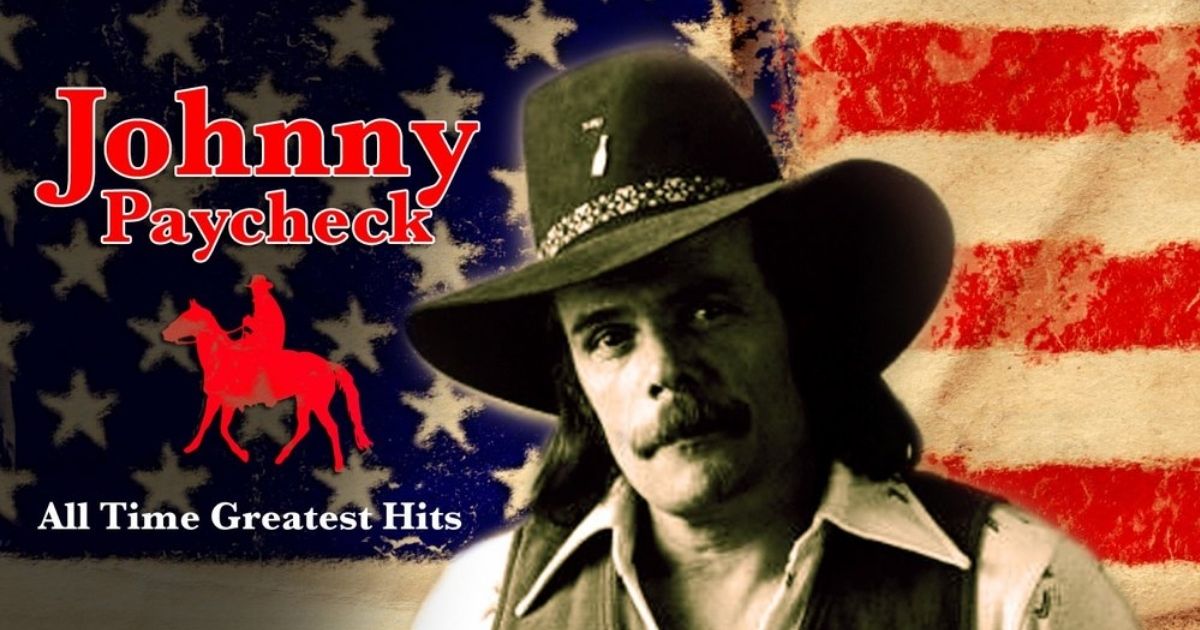
About the song
Few songs in the history of country music capture the frustration, rebellion, and pride of the American working class as powerfully as “Take This Job and Shove It.” Performed by Johnny Paycheck and released in 1977, the song became an instant anthem for blue-collar workers tired of long hours, low pay, and unappreciative bosses. Written by David Allan Coe, another outlaw-country legend, it perfectly fit Paycheck’s gritty, defiant persona.
The single was included on the album Take This Job and Shove It, produced by Billy Sherrill, and went on to become Paycheck’s biggest hit, spending two weeks at No. 1 on the Billboard Hot Country Songs chart in early 1978. More than just a chart success, the song entered American pop culture, turning its title into a universal phrase of defiance still used today.
Background and Historical Context
By the mid-1970s, Johnny Paycheck was already known as a talented but rebellious figure in country music. Born Donald Eugene Lytle in 1938 in Ohio, Paycheck had spent years as a session musician and backup singer for artists such as George Jones before launching his solo career. His rugged voice, tough attitude, and hard-living lifestyle made him a perfect representative of the Outlaw Country Movement, which rejected Nashville’s polished, commercial sound in favor of raw emotion and honesty.
The 1970s were also a time of economic hardship and social unrest in the United States. Inflation, factory closures, and declining job satisfaction created a widespread sense of frustration among working Americans. “Take This Job and Shove It” arrived at exactly the right moment — giving a voice to millions who felt underpaid, overworked, and disrespected.
Songwriting and Meaning
The song’s title phrase — “Take this job and shove it” — expresses the narrator’s decision to quit his dead-end job after years of mistreatment. The lyrics open with a blunt declaration:
“Take this job and shove it,
I ain’t working here no more.”
From the very first line, the song sets its tone: bold, angry, and unapologetically honest. The narrator explains that he’s worked hard for years, made sacrifices, and stayed loyal to the company, but his patience has finally run out — especially after the woman he loved left him.
“You better not try to stand in my way,
As I’m walking out the door.”
The song mixes personal heartbreak with economic frustration. The man’s life has been consumed by labor and disappointment. His pride has been wounded, and he finds liberation not in success, but in the act of quitting — a symbolic rebellion against both his employer and his circumstances.
Interestingly, songwriter David Allan Coe originally wrote the song from a more satirical perspective — as a bitterly humorous statement about modern working life. But when Paycheck recorded it, his gravelly voice and emotional delivery transformed it into something more powerful: a genuine cry of anger and freedom.
Musical Style and Production
Musically, “Take This Job and Shove It” embodies the honky-tonk and outlaw-country style of the 1970s. The arrangement features steady drumbeats, twangy electric guitars, and Paycheck’s gruff, expressive vocals front and center.
Producer Billy Sherrill — known for his work with Tammy Wynette and George Jones — gave the track a clean yet powerful sound, balancing its raw energy with radio-friendly polish. The result is a song that feels both rebellious and anthemic, perfect for barrooms, jukeboxes, and working-class gatherings.
Paycheck’s vocal delivery is key to the song’s success. His tone is full of sarcasm, resentment, and pride, but there’s also a touch of sadness beneath the anger. You can hear in his voice that this isn’t just a joke — it’s the voice of someone who’s truly had enough. That authenticity is what made the song resonate so deeply with audiences.
Themes and Symbolism
At its heart, “Take This Job and Shove It” is about dignity and self-respect. The narrator’s decision to quit represents a rejection of a system that exploits workers and takes them for granted. It’s a moment of empowerment — even if it comes at the cost of stability.
The song also reflects broader social themes. In the 1970s, American identity was shifting: the old dream of hard work leading to success was starting to fade, replaced by cynicism and frustration. For many listeners, Paycheck’s song wasn’t just about a job — it was about freedom from conformity and the courage to stand up for oneself.
At the same time, the song contains a streak of humor. The exaggerated anger and the blunt phrasing make it almost comic, giving it mass appeal beyond just the working-class audience. People could laugh and sing along — but they also knew exactly how it felt.
Cultural Impact
The impact of “Take This Job and Shove It” was enormous. The title phrase quickly became part of American slang, used by workers, comedians, and even political commentators as a symbol of rebellion. The song inspired a 1981 comedy film of the same name, starring Robert Hays and Barbara Hershey, which expanded on its themes of workplace frustration and personal liberation.
For Johnny Paycheck, the song became his signature hit, cementing his place in country music history. It defined his public image as the tough, blue-collar outlaw — a man who lived by his own rules.
Even decades later, “Take This Job and Shove It” remains relevant. It’s been covered by numerous artists, from The Dead Kennedys to Motörhead, showing how its anti-authority message transcends musical genres. It’s also frequently referenced in films, television shows, and pop culture moments involving rebellion or quitting — a testament to its enduring power.
Conclusion
“Take This Job and Shove It” stands as one of the greatest working-class anthems in country music history. Through its sharp humor, catchy rhythm, and raw emotion, the song gives voice to the frustration of countless ordinary people who feel trapped by their jobs and ignored by their employers.
Johnny Paycheck’s gritty performance turned David Allan Coe’s clever lyrics into a timeless declaration of independence — part protest, part celebration, part comedy. The song’s lasting appeal lies in its honesty and universality: everyone, at some point, has felt the urge to tell the boss exactly where to shove it.
More than four decades after its release, “Take This Job and Shove It” remains a cultural touchstone — a working man’s battle cry and a perfect example of how country music can capture the spirit of everyday struggle with wit, attitude, and heart.