
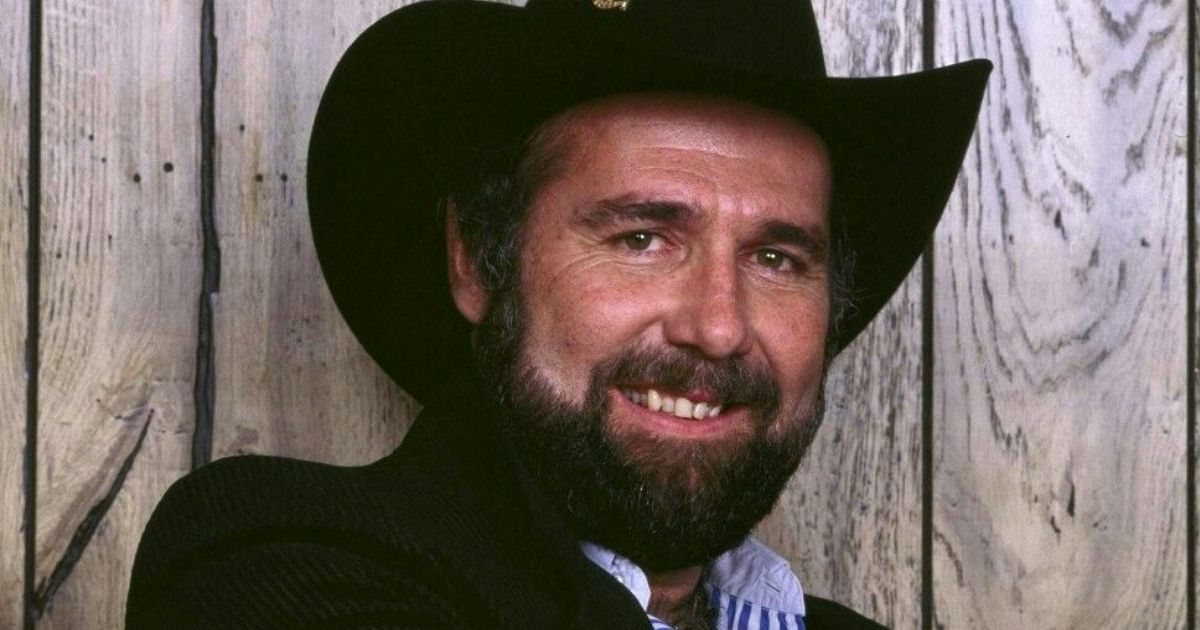
About the song
“Lookin’ for Love” is one of the most iconic country songs of the early 1980s, performed by American country singer Johnny Lee. Released in 1980, the song became a defining moment not only for Lee’s career but also for the broader country-pop crossover movement that characterized much of that decade’s musical landscape. Blending heartfelt lyrics, a smooth vocal delivery, and an accessible melody, “Lookin’ for Love” speaks to the universal experience of seeking genuine connection in a world full of fleeting encounters. Its success catapulted Johnny Lee into stardom and made the song an enduring anthem of romantic longing.
Background and Historical Context
The song was written by Wanda Mallette, Patti Ryan, and Bob Morrison, three accomplished Nashville songwriters. Initially, “Lookin’ for Love” was rejected by numerous artists before it was finally recorded by Johnny Lee. The song found its breakthrough when it was featured in the 1980 film Urban Cowboy, starring John Travolta and Debra Winger. The film played a pivotal role in popularizing country culture among mainstream American audiences, and the song’s placement in a key romantic scene helped solidify its emotional resonance.
“Lookin’ for Love” was released as a single from the Urban Cowboy soundtrack, and it quickly rose to the top of the charts. It reached No. 1 on the Billboard Hot Country Singles chart, remained there for three consecutive weeks, and even crossed over to the Billboard Hot 100, peaking at No. 5 — an extraordinary achievement for a country song at the time. It also earned Johnny Lee widespread recognition and a Gold certification, becoming one of the most played songs on American country radio during the early 1980s.
Musical Composition and Style
Musically, “Lookin’ for Love” exemplifies the emerging country-pop crossover sound that was gaining traction in Nashville at the time. The song’s arrangement blends traditional country elements — such as pedal steel guitar and twangy guitar licks — with polished pop production and a smooth rhythmic flow. The tempo is moderate, creating a laid-back, romantic feel that matches the reflective mood of the lyrics.
Johnny Lee’s vocal performance is particularly noteworthy. His warm, sincere baritone conveys both vulnerability and quiet optimism. He doesn’t oversing or dramatize the words; instead, his straightforward delivery allows the emotion of the lyrics to come through naturally. The song’s instrumentation supports the vocal line gently, using subtle harmony and melodic layering to evoke the feeling of late-night introspection — the sense of a man sitting alone, contemplating love and loneliness.
The melodic structure is simple and memorable, built around recurring phrases that make the chorus instantly recognizable. This accessibility helped the song achieve mass appeal beyond traditional country audiences. The combination of country storytelling and pop clarity made “Lookin’ for Love” a quintessential early-1980s hit.
Lyrical Themes and Meaning
At its core, “Lookin’ for Love” tells the story of a man’s search for real love in a world full of superficial relationships. The opening line — “I was lookin’ for love in all the wrong places” — has become one of the most quoted and recognizable lines in country music. It captures a universal human truth: the struggle to find meaningful connection in a society where appearances and short-term desires often overshadow genuine emotion.
Throughout the song, the narrator reflects on his past mistakes, admitting that he has sought affection and validation in empty encounters. Yet, the tone of the lyrics is not cynical or bitter. Instead, it carries a quiet hopefulness. The repeated chorus emphasizes that, after much searching, the narrator has finally found someone special — “Lookin’ for love in too many faces / Searchin’ their eyes, lookin’ for traces / Of what I’m dreamin’ of…” The discovery of love feels like redemption, a reward for persistence and sincerity.
The lyrics are deceptively simple but emotionally rich. They rely on direct, plainspoken language rather than poetic abstraction, a hallmark of classic country songwriting. This simplicity makes the song deeply relatable — listeners can easily see their own experiences reflected in its words.
Cultural Impact and Legacy
“Lookin’ for Love” became more than just a hit song; it became part of the cultural identity of the early 1980s. Its association with Urban Cowboy linked it to a nationwide revival of country music and western fashion, helping introduce honky-tonk style and country nightlife to mainstream America. The song’s success also inspired a wave of similar country-pop hits that dominated radio through the decade.
For Johnny Lee, “Lookin’ for Love” marked the high point of his career. It established him as one of the leading figures in the “Urban Cowboy” country era, and he went on to record several other hits, including “Cherokee Fiddle” and “Pickin’ Up Strangers.” Yet, “Lookin’ for Love” remains his signature song — the one most closely identified with his name and voice.
Over four decades later, the song continues to be featured in films, television shows, and nostalgic playlists. Its title has entered everyday language as a popular idiom, used humorously or sincerely to describe anyone seeking romance or fulfillment. Few country songs have achieved such cultural penetration.
Conclusion
“Lookin’ for Love” endures as a timeless expression of the human search for love, authenticity, and belonging. Through its heartfelt lyrics, smooth melody, and Johnny Lee’s soulful delivery, the song captures both the loneliness of longing and the joy of discovery. It bridges the gap between traditional country storytelling and mainstream pop sensibility, making it one of the defining songs of its era. More than forty years after its release, “Lookin’ for Love” still resonates — reminding listeners that, no matter how many wrong places we search, love often finds us when we least expect it.