
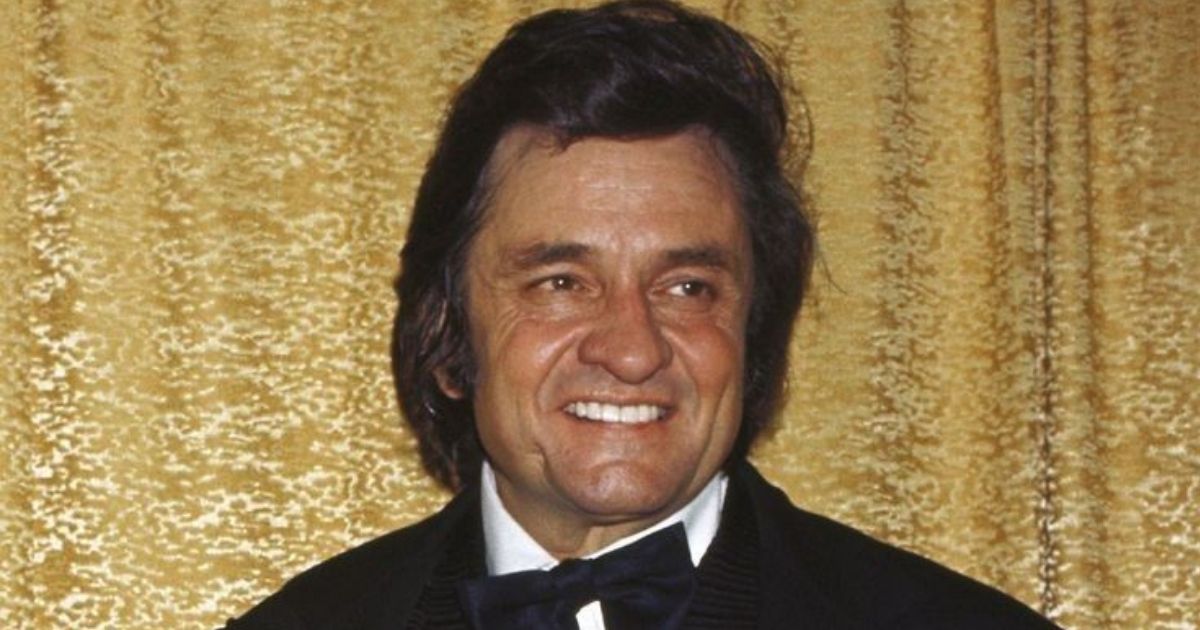
About the song
Released in 1976, “One Piece at a Time” is one of Johnny Cash’s most beloved and humorous songs, blending clever storytelling, social commentary, and a touch of rebellion in true Cash fashion. Written by Wayne Kemp, the song was recorded with The Tennessee Three and became Cash’s final number-one hit on the Billboard Hot Country Songs chart.
The track tells a hilarious yet thought-provoking story about a poor auto worker who decides to steal parts from the Cadillac factory where he works — one piece at a time — in order to build his own dream car. With its catchy melody, talk-sung verses, and unmistakable Cash charisma, the song became an instant hit. But beneath its humor lies a deeper reflection on working-class ambition, American materialism, and individual ingenuity, themes that had long defined Cash’s storytelling style.
Background and Context
By the mid-1970s, Johnny Cash was already a legend in American music, with a career spanning over two decades. He had sung about prisoners, drifters, rebels, and laborers, giving voice to those often overlooked by society. However, by 1976, country music was changing — the “Outlaw Movement” led by artists like Willie Nelson, Waylon Jennings, and Merle Haggard was reshaping the genre, emphasizing creative independence and working-class authenticity.
“One Piece at a Time” fit perfectly into this cultural moment. It combined humor and social realism in a way that only Cash could pull off. Written by Wayne Kemp, a respected Nashville songwriter known for his wit and honesty, the song played to Cash’s strengths as a storyteller with both grit and humor. The narrative’s working-class hero, a man who dreams big despite humble circumstances, mirrored the very audience Cash had always represented.
Story and Lyrics
The song is written in the first person, giving it a conversational, almost confessional tone. The narrator is a Kentucky man who leaves home for Detroit in 1949 to work at a General Motors factory, building Cadillacs. Year after year, he watches luxury cars roll off the assembly line — cars he could never afford.
“I always wanted me one that was long and black.”
That one line sums up the working man’s dream — not just for material wealth, but for a symbol of success. But instead of buying a Cadillac, he hatches a plan: he’ll smuggle out car parts from the factory, “one piece at a time.”
“Every day I’d sneak in a lunchbox, and I’d help myself to some of that automotive gold.”
As the years pass, he and his friend collect the parts until they finally have enough to assemble a full car. The only problem? The parts come from different model years, leading to a hilarious Frankenstein-like result.
“The transmission was a ’53, and the motor turned out to be a ’73.”
When they finally register the car, the title lists it as a “’49, ’50, ’51, ’52, ’53, ’54… automobile.” The absurdity of the situation — a car so mismatched it’s barely functional — makes for one of the funniest and most memorable endings in any country song.
Themes and Interpretation
Though humorous, “One Piece at a Time” carries deeper meaning. It’s a song about working-class ingenuity and rebellion — the idea of getting back at the system by outsmarting it. The factory worker doesn’t steal out of greed but out of frustration with inequality. He spends his life building luxury cars he can’t afford, so he uses creativity (and a bit of mischief) to claim a piece of the dream for himself.
The song also serves as a satire on consumerism and the American obsession with material success. The Cadillac — a status symbol of wealth and power — becomes a joke when pieced together by a man who refuses to accept his place at the bottom of the ladder. The mismatched car, though ridiculous, symbolizes freedom: a product of his own labor, not corporate luxury.
There’s also a subtle commentary on the industrial age. The factory worker’s rebellion hints at alienation — building something over and over without owning it. By taking “one piece at a time,” he reclaims agency over his work, turning monotonous labor into a personal victory.
Musical Style and Performance
Musically, “One Piece at a Time” is classic Johnny Cash storytelling country — a mix of spoken-word delivery and rhythmic guitar backing from The Tennessee Three. The song’s arrangement is simple but driving, with a steady beat that mimics the mechanical rhythm of an assembly line.
Cash’s deep, conversational baritone brings the lyrics to life. He doesn’t just sing the song — he tells it, as if spinning a yarn to a group of friends on a front porch. His tone balances humor and sincerity, allowing listeners to laugh while still feeling empathy for the narrator.
The recording also features playful touches, like the mock title registration read aloud at the end, adding a cinematic finish to the story. Live performances often drew laughter from audiences, who appreciated both the song’s humor and its underlying truth.
Cultural Impact and Legacy
“One Piece at a Time” was a commercial and cultural triumph. It reached No. 1 on the Billboard Country chart in 1976 and became Cash’s final chart-topping single during his lifetime. The song quickly entered the pantheon of great country storytelling songs, alongside classics like “A Boy Named Sue” and “Folsom Prison Blues.”
Its popularity extended beyond music. The concept inspired a real-life car, built by a group of Cash’s fans using parts from over two dozen different Cadillacs. The bizarre vehicle was even displayed at the Johnny Cash Museum in Nashville, becoming a tangible symbol of the song’s enduring humor and creativity.
The song also reflects a quintessentially American attitude — resourceful, rebellious, and self-reliant. It celebrates the everyman’s wit and perseverance while poking fun at bureaucracy and material excess. In many ways, “One Piece at a Time” captures the same working-class spirit that defines much of Cash’s best work.
Conclusion
“One Piece at a Time” is far more than a novelty tune — it’s a clever, satirical, and deeply human story about ambition, ingenuity, and identity. Through humor and vivid storytelling, Johnny Cash gives voice to the factory worker, the dreamer, and the rebel in all of us.
Its enduring appeal lies in its perfect balance of comedy and commentary. Beneath the laughter is a story of a man determined to take control of his destiny, even if it means building his dream “one piece at a time.”
In a career filled with songs about redemption, struggle, and independence, this track remains one of Cash’s most unforgettable — a reminder that sometimes the most powerful statement can come wrapped in laughter, driven by the steady rhythm of a working man’s heart.