
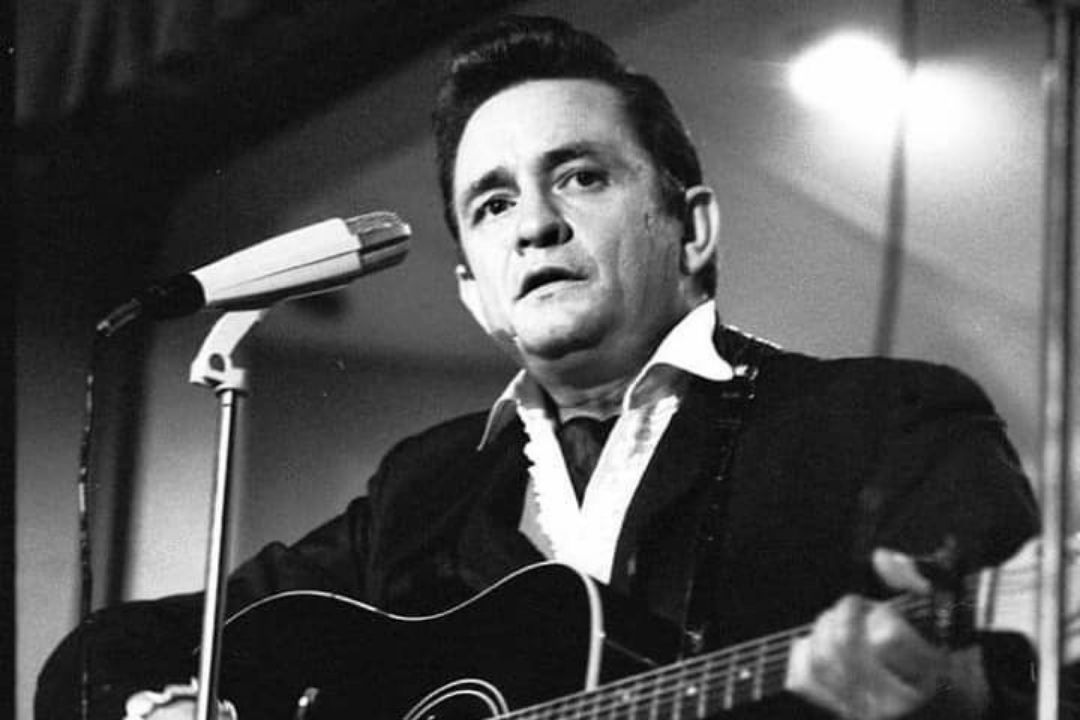
About the song
Johnny Cash – “I Walk the Line”
A Groundbreaking Anthem of Loyalty, Love, and Inner Struggle
“I Walk the Line” is one of the most iconic and enduring songs in the history of American music. Written and performed by Johnny Cash, the song was released in 1956 and quickly became his first No. 1 hit on the Billboard country chart, eventually crossing over into the pop charts and propelling Cash into national stardom. More than just a hit single, “I Walk the Line” established Cash’s persona as the “Man in Black”—an artist torn between rebellion and righteousness, love and duty.
Background and Inspiration
At the time Johnny Cash wrote “I Walk the Line,” he was a young musician married to his first wife, Vivian Liberto, and touring extensively with Sun Records, the same Memphis-based label that launched the careers of Elvis Presley, Jerry Lee Lewis, and Carl Perkins. The song was both a pledge of fidelity to his wife and an introspective reflection on the personal discipline required to stay true—emotionally, morally, and spiritually.
Cash later revealed that he was inspired to write the song during a moment of quiet reflection on tour. The song was born out of his fear of temptation while being on the road and the emotional strain that came with balancing fame, marriage, and personal responsibility. “I Walk the Line” is thus a love song, a confession, and a vow, all wrapped into one.
Musical Structure and Innovation
Musically, “I Walk the Line” was innovative for its time. The song is known for its unusual key changes—shifting upward five times throughout the song, which was highly unconventional in country music. These modulations were not only a musical device but also metaphorical, subtly reflecting the shifting emotional terrain Cash traversed in the lyrics.
Johnny Cash’s deep baritone is complemented by his distinctive “boom-chicka-boom” rhythm, a sound that would become a hallmark of his style. The rhythmic pattern was created by Cash strumming with a muted guitar while his backing band, the Tennessee Two (later Tennessee Three), followed suit with minimalistic, percussive accompaniment. This stripped-down arrangement lent the song an earthy, grounded feel, reinforcing its themes of honesty and raw commitment.
Lyrics and Themes
Lyrically, “I Walk the Line” is simple yet profound. Its directness is part of its power:
“Because you’re mine, I walk the line.”
This single line encapsulates the entire emotional thrust of the song. Cash is acknowledging the temptations and challenges he faces, but he makes a firm promise to stay faithful. Other lines emphasize self-restraint and vigilance:
“I keep a close watch on this heart of mine / I keep my eyes wide open all the time.”
The imagery here is stark—evoking the image of a man constantly on guard against his own weaknesses. It’s a song of moral perseverance, not moral perfection.
The repetition of the word “I” throughout the lyrics emphasizes the personal responsibility and inward battle that Cash is engaging in. He doesn’t place blame on external forces; rather, he accepts that staying true requires continuous effort and consciousness.
Cultural Impact and Legacy
“I Walk the Line” was more than just a personal song—it became a cultural statement. In the 1950s, when many popular songs were bubblegum love tunes or novelty records, Cash’s deep, almost solemn commitment to fidelity and self-control stood out. His rugged, no-frills delivery brought a new kind of authentic masculinity to American music—one rooted in integrity, struggle, and quiet strength.
The song has been covered by dozens of artists and is frequently included in lists of the greatest songs of all time. It was inducted into the Grammy Hall of Fame and the National Recording Registry, and it remains a staple in retrospectives of country, rockabilly, and Americana music.
For Cash, the song would become an enduring signature. He revisited it many times throughout his career, and its themes—of loyalty, honesty, and personal conviction—would echo through his later work, including his powerful late-career collaborations with producer Rick Rubin.
Conclusion
“I Walk the Line” is not just a milestone in Johnny Cash’s career—it is a cornerstone of American music. With its introspective lyrics, innovative key changes, and stripped-down sound, the song captures the essence of Cash’s persona: a man who wrestled with darkness but was guided by love and a deep moral compass. Whether viewed as a love song, a confession, or a code to live by, “I Walk the Line” remains a timeless anthem of what it means to choose loyalty over temptation, and principle over impulse.