
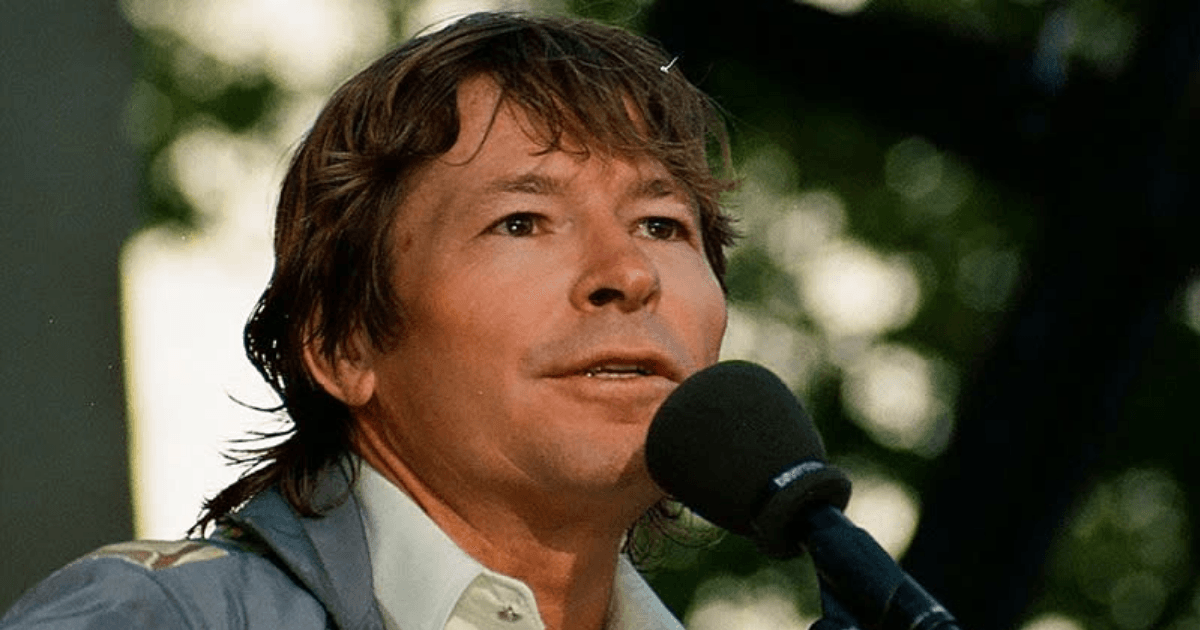
About the song
Song: I’d Rather Be a Cowboy (Lady’s Chains)
Artist: John Denver
Release Year: 1973
Genre: Country / Folk / Country-Pop
When John Denver released “I’d Rather Be a Cowboy (Lady’s Chains)” in 1973, he was already shaping the warm, nature-infused sound that would make him one of the most distinctive musical voices of the 1970s. The track appeared on his album Farewell Andromeda and instantly stood out as a statement of identity — John Denver’s identity, and the identity of anyone who has ever felt pulled toward a simpler, freer life. Blending country storytelling, folk sensitivity, and Denver’s gentle country-pop warmth, the song encapsulates the spirit of a man choosing authenticity over expectations.
A Song of Freedom, Identity, and Gentle Rebellion
At its core, “I’d Rather Be a Cowboy” is a declaration of independence — not the explosive, rebellious kind, but the quiet, firm kind that grows from knowing oneself. The narrator speaks directly and honestly: he has been offered affection, security, and the familiar comfort of a relationship, but he recognizes that these things come with subtle expectations that do not align with who he is.
He is drawn to open skies, long roads, and the rugged freedom of the cowboy life — even if that life brings uncertainty, loneliness, or hardship. Rather than live a life shaped by someone else’s hopes for him, he chooses his own path. The song is not framed as a rejection of love, but rather as a recognition that love cannot flourish in chains, however soft or well-intended those chains may be.
Denver often wrote about nature, simplicity, and the need to remain true to one’s heart. This song embodies that philosophy with clarity. It is not angry; it is reflective. It does not blame anyone; it simply acknowledges that not everyone is meant for the same kind of life.
John Denver’s Vocal Presence
Denver sings the song with a warmth and gentleness that mirror the lyric’s emotional complexity. His voice is sincere, steady, and full of the natural earnestness that defined his best work. He sounds like a man thinking aloud — choosing truth over comfort, choosing freedom over familiarity.
The quiet conviction in his voice elevates the song’s emotional weight. He does not boast about wanting to be a cowboy; he admits it softly, almost with a sense of resignation and inevitability. That softness makes the revelation feel all the more genuine.
Musical Arrangement and Atmosphere
Musically, the song leans into the country-folk blend that was Denver’s signature. Acoustic guitar sits at the heart of the arrangement, strumming steady chords that evoke open plains and wandering highways. Subtle touches of pedal steel or soft orchestration enhance the country atmosphere without overwhelming the simplicity that Denver favored.
The song’s melody flows gently, with no sharp edges or dramatic flourishes. It sounds like a peaceful reflection beside a campfire rather than an emotional confrontation. This sense of ease is intentional: the narrator is not conflicted. He understands what he must choose. The music mirrors that calm acceptance.
Themes: Authenticity, Self-Knowledge, and the Call of the West
“I’d Rather Be a Cowboy” is layered with themes that have long been central to the American folk and country tradition. The figure of the cowboy represents independence, self-reliance, and a life lived on one’s own terms. Denver uses this imagery not as a stereotype, but as a metaphor for emotional freedom.
The “lady’s chains” in the subtitle are not literal shackles. They represent expectations — the gentle pressure of someone hoping you will live a certain kind of life. The narrator appreciates the affection offered to him, but he knows he cannot give up who he is in order to stay. The metaphor is tender rather than harsh, recognizing that even well-meaning relationships can become confining if they ask a person to become someone they are not.
Why the Song Resonates Decades Later
Even today, “I’d Rather Be a Cowboy” resonates because it speaks to a universal tension: the pull between comfort and freedom, between the desire to love and the need to remain true to oneself. Many listeners see their own struggles reflected in Denver’s words. The song offers reassurance that choosing authenticity — even at the cost of losing something familiar — is a valid and honorable path.
Denver’s gentle storytelling allows the theme to breathe. He doesn’t glorify loneliness, nor does he villainize love. He simply acknowledges that some people are born with restless hearts, drawn to horizons others do not see.
Conclusion
Released in 1973, “I’d Rather Be a Cowboy (Lady’s Chains)” stands as one of John Denver’s quiet masterpieces — a song that blends introspection, emotional honesty, and a tender declaration of independence. Its mix of country, folk, and country-pop makes it accessible, while its themes of freedom and self-knowledge give it emotional depth. More than fifty years later, it remains a gentle anthem for anyone who chooses the open road of the soul over a life that does not fit.