
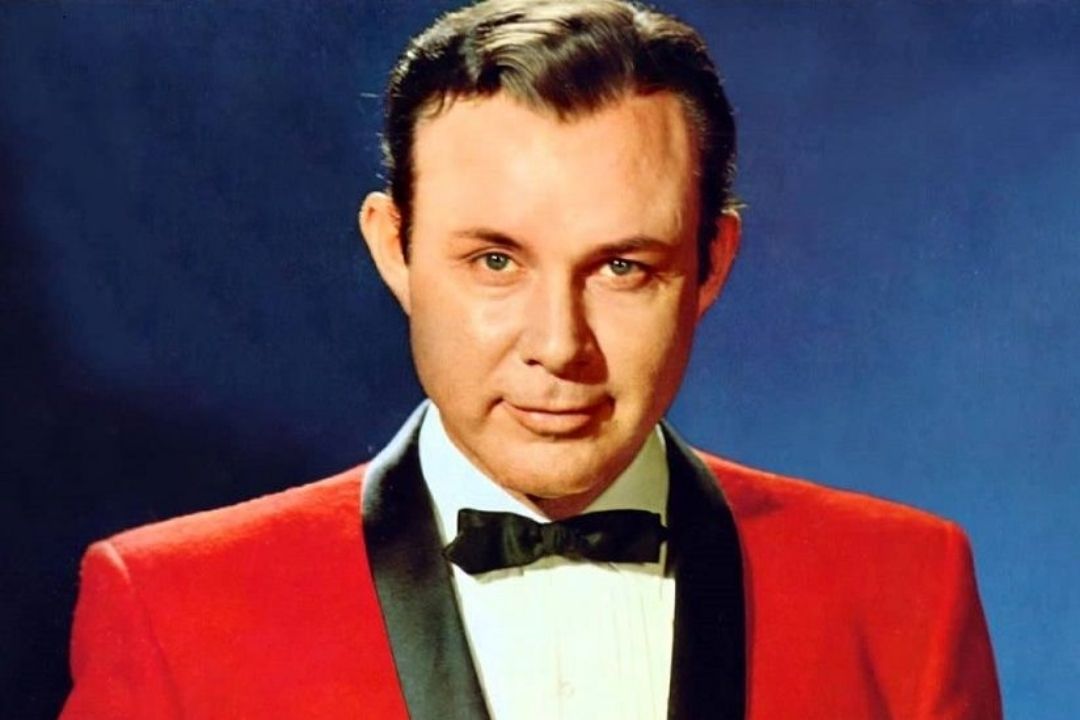
About the song
Jim Reeves – “I Love You Because”
A tender declaration of unconditional love from the Gentleman of Country Music
“I Love You Because” is a timeless ballad that has resonated with generations of listeners through its heartfelt lyrics and emotional sincerity. Although originally written and recorded by Leon Payne in 1949, the song was memorably brought to life by the velvet-voiced Jim Reeves, whose 1964 version helped cement its status as a classic within both the country and easy listening genres. Reeves’ rendition captures the essence of gentle, unconditional love in a way that transcends time, language, and musical boundaries.
Background and Origins
“I Love You Because” was penned by Leon Payne, a blind American country musician known for his poignant songwriting. Payne’s original version achieved commercial success and became a standard in the country repertoire. Over the years, the song was covered by numerous artists, including Elvis Presley, Johnny Cash, and Willie Nelson. However, Jim Reeves’ recording, released posthumously in 1964, is considered one of the most iconic interpretations of the song.
Reeves, who tragically died in a plane crash in July 1964, left behind a treasure trove of recordings. RCA Victor released “I Love You Because” as a single shortly after his death, and it became a chart-topping hit in multiple countries. The song reached No. 5 on the UK Singles Chart and further solidified Reeves’ international appeal, particularly in Europe and Africa, where he was revered as one of the most beloved figures in country and pop music.
Lyrical Content and Emotional Themes
At its core, “I Love You Because” is a simple yet profound love song. The lyrics are a series of affirmations and quiet reflections about why the narrator loves their partner—not for superficial or fleeting reasons, but for deep, enduring qualities. The message of the song is one of unconditional acceptance and unwavering affection:
“I love you because you understand, dear / Every single thing I try to do.”
This line sets the tone for the song’s overarching sentiment: love based on empathy, patience, and emotional support. The narrator doesn’t claim their partner is flawless; instead, they express gratitude for being loved and accepted for who they are. The song continues with lines that describe how the partner gives them strength, lifts them up when they’re down, and brings purpose to life simply by being there.
The refrain repeats the phrase “I love you because,” which gives the song a meditative, almost prayer-like quality. Each verse builds on the last, presenting love not as a dramatic, fiery passion but as something calm, steady, and reassuring.
Musical Style and Production
Musically, Jim Reeves’ version of “I Love You Because” exemplifies the Nashville Sound, which was designed to make country music more appealing to mainstream audiences in the late 1950s and 1960s. This style featured smooth vocals, gentle orchestration, and the use of background harmonies—all of which are present in Reeves’ recording.
His deep, rich baritone is the centerpiece of the track, delivering each line with remarkable clarity and emotional subtlety. The instrumentation—soft acoustic guitar, subdued piano, and string embellishments—supports the vocals without overpowering them. The result is a lush, polished arrangement that perfectly matches the song’s tender sentiment.
Chet Atkins, one of the key architects of the Nashville Sound and longtime producer at RCA, had a significant influence on the musical direction of Reeves’ posthumous releases, ensuring that they remained consistent with the singer’s refined and elegant style.
Reception and Legacy
“I Love You Because” was warmly received by audiences around the world. In the UK, the song became one of Jim Reeves’ most successful singles, maintaining a presence on the charts for months. Its success was particularly notable given that it was released after his untimely death, adding a layer of poignancy to the listening experience.
The song has been included in numerous compilation albums, and it remains a popular choice at weddings, anniversaries, and other occasions celebrating love. Its universal message has allowed it to transcend genres, appealing to fans of country, pop, and adult contemporary music alike.
Beyond chart performance, the song has had a lasting emotional impact. It is often cited as a quintessential example of how music can convey deep, authentic feelings without grandiosity. In an age of complex lyrics and fast-paced production, “I Love You Because” continues to stand out for its purity, simplicity, and heartfelt message.
Conclusion
Jim Reeves’ rendition of “I Love You Because” is more than just a cover of an already beautiful song—it is a deeply personal, emotionally resonant interpretation that showcases his extraordinary ability to connect with listeners. Through his warm vocal tone, elegant phrasing, and emotional honesty, Reeves transforms the song into a timeless ode to enduring love and quiet devotion. Even decades after its release, it remains a poignant reminder that sometimes, the most powerful expressions of love are also the simplest.