
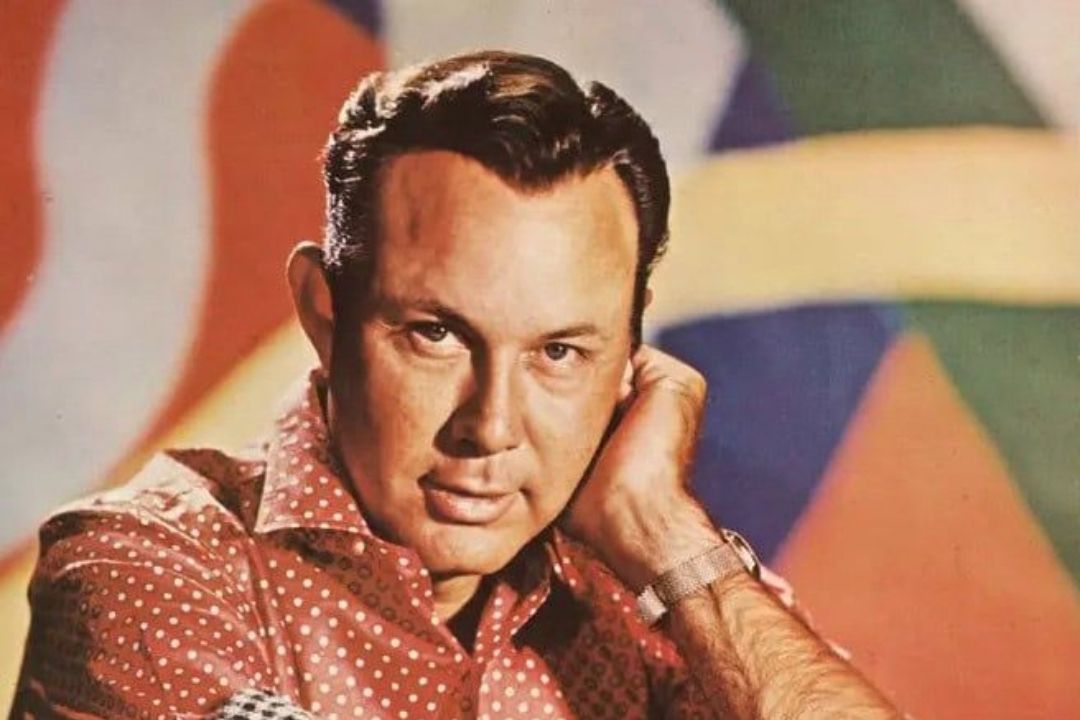
About the song
Jim Reeves – “Am I Losing You”
A Timeless Country Ballad of Doubt and Heartache
“Am I Losing You” is one of the most emotionally resonant songs in the extensive and influential discography of Jim Reeves, a pioneering figure in country music whose smooth, velvety baritone voice earned him the nickname “Gentleman Jim.” Originally released in 1957, and later re-recorded in 1960, “Am I Losing You” stands as a classic example of country music’s capacity to express vulnerability, romantic uncertainty, and emotional depth with heartfelt simplicity and lyrical grace.
Background and Origins
“Am I Losing You” was written and first recorded by Jim Reeves in 1957 for RCA Victor Records. By the mid-1950s, Reeves had already begun shifting the sound of country music with his smoother, crooning vocal style—a stark contrast to the rougher honky-tonk tones that had previously dominated the genre. This transition helped lay the groundwork for the “Nashville Sound,” a polished, pop-influenced country style that would dominate the charts for decades.
Reeves’s first version of “Am I Losing You” reached No. 3 on the Billboard country chart in 1957. Its popularity led him to re-record the song in 1960 with updated production and instrumentation, making it even more appealing to crossover audiences. This second version climbed even higher, reaching No. 8 on the Billboard Hot Country Singles chart and solidifying its place as one of Reeves’s signature songs.
Lyrical Content and Themes
“Am I Losing You” is a poignant exploration of emotional insecurity in a romantic relationship. The lyrics capture the narrator’s quiet desperation and inner turmoil as he senses emotional distance growing between himself and his partner. Lines such as:
“Are my nights made up of dreams?
Is my smile now turned to tears?”
reflect the universal experience of fearing the loss of love. Unlike songs filled with accusations or anger, “Am I Losing You” is marked by restraint and introspection. The narrator is not confrontational but instead gently asks whether the connection he once felt is slowly fading. This sense of longing and doubt, delivered with sincerity, makes the song deeply relatable and emotionally stirring.
Musical Composition and Style
The original version of the song is relatively sparse in arrangement, reflecting the classic country production of the 1950s—featuring acoustic guitar, light piano, and subtle steel guitar flourishes. What truly carries the track, however, is Jim Reeves’s voice. His baritone is soothing, almost conversational, drawing listeners in with an understated emotional pull.
The 1960 re-recording brought a more polished production in line with the Nashville Sound. This version included background vocal harmonies and a lusher instrumental backing, helping to further emphasize the emotional content of the song while making it accessible to a broader pop audience. Reeves’s voice retained its tender quality, but the arrangement added a layer of warmth and sophistication.
Impact and Legacy
“Am I Losing You” remains one of Jim Reeves’s most beloved songs. It showcases his ability to convey complex emotions with simplicity and grace, a hallmark of his career. The song contributed to the growing appeal of country music outside the American South and helped to define the stylistic transition of the genre during a pivotal era.
Moreover, Reeves’s interpretation of emotional themes without resorting to melodrama made him a standout among his peers. His influence extended beyond country music, impacting artists in gospel, pop, and international markets, particularly in Europe and Africa, where his songs continued to receive airplay long after his untimely death in a 1964 plane crash.
“Am I Losing You” has since been covered by other country artists, most notably Ronnie Milsap, who recorded a version in 1981 that became a number-one country hit, further cementing the song’s timelessness.
Conclusion
In “Am I Losing You,” Jim Reeves captures the fragile moment when love seems to be slipping away, and the fear of emotional loss becomes overwhelming. With his smooth, heartfelt delivery and a melody that lingers long after the song ends, Reeves created a piece of music that continues to resonate with listeners across generations. The song is a testament to the power of subtle storytelling in country music and remains a brilliant example of Jim Reeves’s artistry, emotional intelligence, and legacy as one of country music’s most influential voices.
Video