
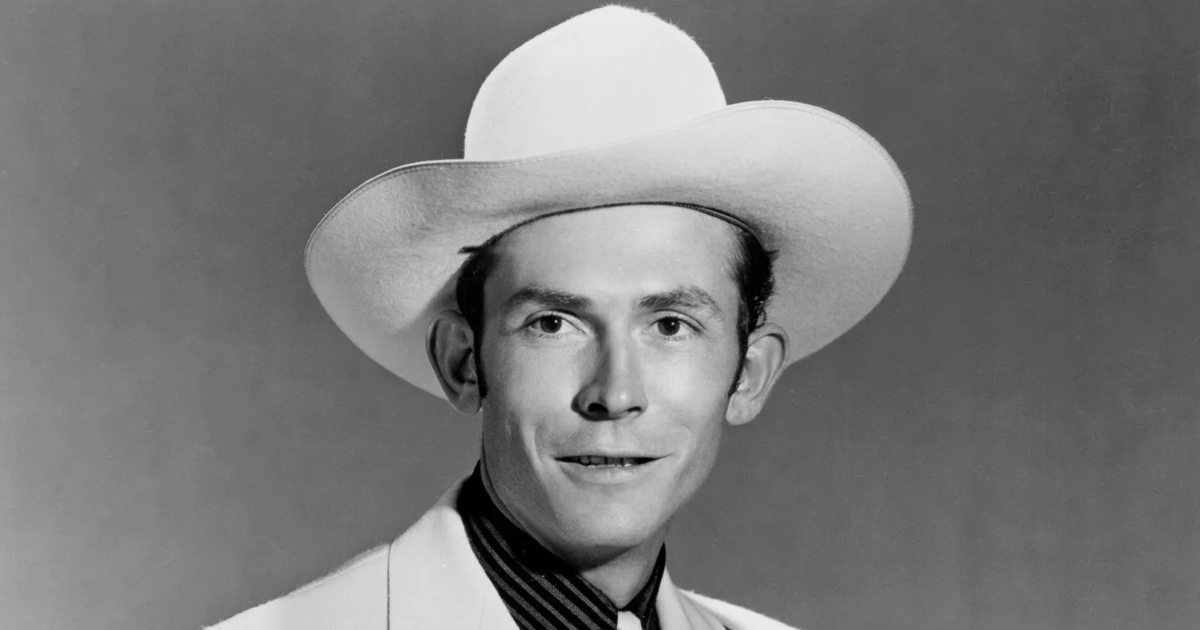
About the song
“I Saw the Light” stands as one of the most iconic gospel-inspired songs in American music history, originally written and recorded by Hank Williams Sr. in 1948. When his son, Hank Williams Jr., later reinterpreted it, the song took on a new dimension—both a tribute to his legendary father and a personal declaration of faith, redemption, and continuity in a family legacy defined by both musical brilliance and tragedy.
Hank Williams Jr.’s rendition of “I Saw the Light” carries with it not only the spiritual weight of the lyrics but also the emotional inheritance of a son forever linked to one of country music’s most mythic figures. His version preserves the joyful gospel spirit of the original while injecting his own vocal grit, musical sophistication, and sense of generational identity.
Historical Background and Song Origins
The song “I Saw the Light” was written by Hank Williams Sr. in 1947 and first recorded in 1948. Inspired by his mother, Lillie Williams, who often spoke about the Christian journey of finding light after darkness, the song became a cornerstone of country gospel music.
Williams Sr.’s version expressed both hope and repentance—an almost autobiographical reflection of his turbulent life of sin, struggle, and spiritual yearning. It would go on to become one of his signature songs, often performed as the final number at his concerts, leaving audiences uplifted and inspired.
For Hank Williams Jr., recording “I Saw the Light” was more than just covering a classic. It was an act of both musical and personal reconciliation—a way to honor his father’s legacy while asserting his own artistic voice. Over the years, Hank Jr. has performed the song in multiple settings, from live gospel revivals to rowdy southern rock concerts, each time imbuing it with his distinct blend of country, blues, and rock energy.
Lyrical Themes and Spiritual Meaning
The lyrics of “I Saw the Light” are simple yet profoundly symbolic, rooted in the Christian metaphor of moving from darkness (sin and ignorance) into light (salvation and spiritual clarity). The opening verse sets the tone:
“I wandered so aimless, life filled with sin,
I wouldn’t let my dear Savior in.
Then Jesus came like a stranger in the night,
Praise the Lord, I saw the light.”
The transformation here is immediate and ecstatic—the moment of salvation framed as both a revelation and a release. The chorus, with its joyous repetition of “I saw the light, no more darkness, no more night,” becomes a declaration of newfound freedom and faith.
For many listeners, the song captures not only religious redemption but also the universal human experience of finding hope after despair, clarity after confusion, and peace after turmoil.
When sung by Hank Williams Jr., the song gains additional emotional resonance. His life, much like his father’s, has been marked by struggle—facing immense pressure to live up to the Williams legacy, enduring a near-fatal mountain climbing accident in 1975, and navigating his own battles with identity and fame. His rendition, therefore, feels deeply personal. When he sings about seeing the light, it’s not just a biblical awakening—it’s survival, resilience, and rebirth.
Musical Style and Performance
Musically, Hank Williams Jr.’s version of “I Saw the Light” bridges traditional country gospel with southern rock vitality. The arrangement often includes lively fiddles, rhythmic acoustic guitars, and strong bass lines, while Hank Jr.’s powerful baritone adds a rugged edge to the song’s joyful proclamation.
Unlike the restrained, hymn-like tone of his father’s recording, Hank Jr.’s performance bursts with confidence and energy. He leans into the rhythm, sometimes transforming it into a foot-stomping, hand-clapping revival tune that brings audiences to their feet.
The gospel roots are evident throughout—the call-and-response patterns, the communal spirit, and the celebratory tempo all echo the traditions of Southern church music. Yet, Hank Jr. adds a distinctly honky-tonk swagger, making the song feel equally at home in a church service or a Saturday night barroom.
His voice, roughened by years of performance and life experience, adds a texture that deepens the song’s emotional impact. There’s a sense of authenticity in his delivery—a man who has walked through both light and darkness and can testify to both.
Cultural Significance and Legacy
“I Saw the Light” is more than a gospel song; it’s an American hymn of redemption that transcends genre. The song has been recorded by countless artists—Johnny Cash, Roy Acuff, Bill Monroe, and even Etta James—each adding their own flavor. But when Hank Williams Jr. sings it, the song becomes a generational echo, a continuation of a sacred family story.
In live performances, Hank Jr. often closes his concerts with “I Saw the Light,” inviting the audience to sing along. These moments often transcend entertainment—they become communal celebrations of faith, music, and heritage.
For many fans, this song also symbolizes the unbroken bond between father and son. Despite the shadow cast by his father’s legend, Hank Jr. has forged his own identity as an artist who respects tradition while embracing innovation. His rendition of “I Saw the Light” is both homage and evolution—a bridge between classic country gospel and modern country rock.
The song’s enduring popularity speaks to its spiritual universality. Whether listeners interpret it as a literal declaration of faith or a metaphor for personal enlightenment, “I Saw the Light” continues to offer hope and renewal.
Personal Interpretation and Emotional Impact
Listening to Hank Williams Jr.’s “I Saw the Light” is a powerful experience because it carries layers of meaning. On one level, it’s a joyful gospel standard; on another, it’s a deeply personal statement from a man who has lived through pain and found peace.
There’s also a haunting subtext—the knowledge that his father, the song’s writer, often struggled to find the very light he sang about. For Hank Jr., performing it is both an act of remembrance and redemption—a son carrying forward his father’s message and perhaps finding the grace his father never fully reached.
In this sense, “I Saw the Light” becomes not only a hymn of salvation but also a song of healing, forgiveness, and legacy.
Conclusion
Hank Williams Jr.’s rendition of “I Saw the Light” is a masterful blend of reverence and reinvention. It captures the song’s original gospel joy while adding the weight of lived experience and personal resilience. Through his rich voice and spirited delivery, Hank Jr. transforms a timeless hymn into a living, breathing testament to faith, endurance, and family continuity.
It is more than a cover—it is a conversation between generations, a bridge between sacred tradition and southern soul. In his hands, “I Saw the Light” shines brighter than ever—illuminating not only the road to redemption but also the enduring power of music to carry the human spirit from darkness into light.