
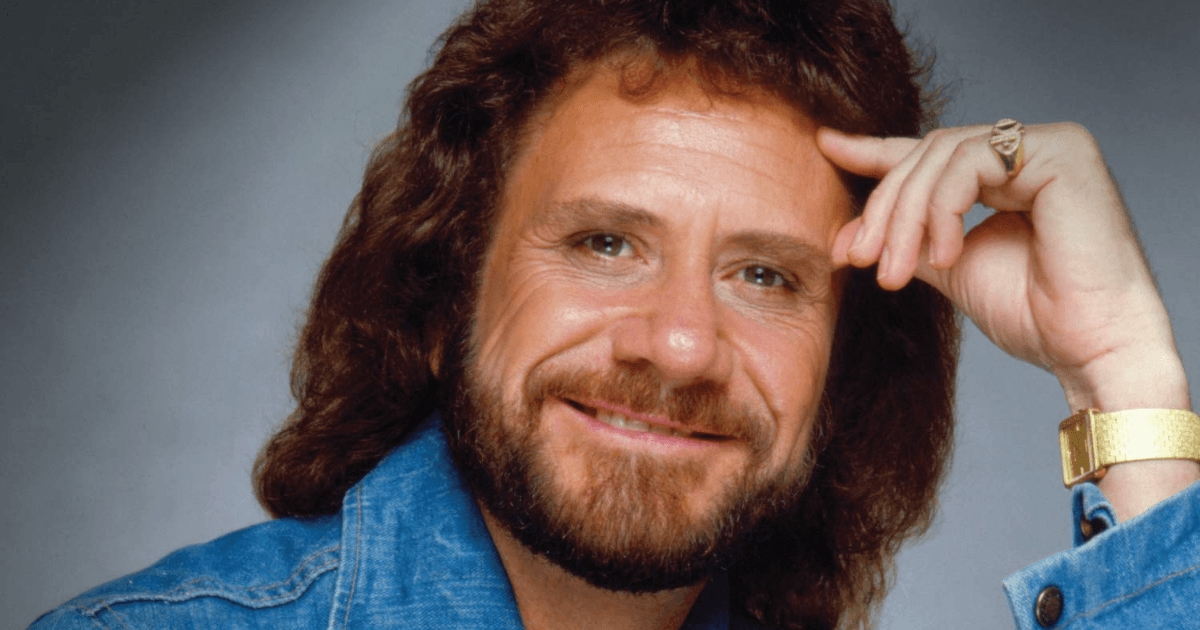
About the song
“I Love You a Thousand Ways” is one of the most poignant and enduring songs in the history of traditional country music. Originally written and recorded by Lefty Frizzell in 1950, the song became his debut single and an instant classic, helping to define the honky-tonk sound that would influence generations of country singers. Decades later, David Frizzell, Lefty’s younger brother and a celebrated country artist in his own right, recorded his own version as both a heartfelt tribute and a continuation of his brother’s musical legacy. David’s rendition preserves the tender sincerity of the original while bringing his own emotional depth and interpretive style, making it not only a cover but also a personal family statement of love and respect.
The song “I Love You a Thousand Ways” has one of the most touching backstories in country music. Lefty Frizzell wrote it while serving a short jail sentence for what was reportedly a minor offense — a fight or altercation in his Texas hometown. During his time in jail, he wrote a letter to his wife, Alice, expressing his deep regret and affection. From that letter, the lyrics of “I Love You a Thousand Ways” were born. The song was both an apology and a love confession, written with unfiltered honesty. It captured a universal feeling: the pain of separation and the longing to make amends. That emotional authenticity became a defining characteristic of Lefty’s music — and of the traditional country style that he helped to shape.
The song’s lyrics are simple, direct, and profoundly heartfelt. Lines such as “If you took the love I offer, but my heart you can’t repay / For I love you a thousand ways” express a kind of humble devotion that feels deeply personal yet universally relatable. It’s a man’s open-hearted admission of guilt, love, and yearning. In just a few short verses, Lefty managed to convey a lifetime of emotion — the essence of why country music, at its best, can speak directly to the human heart.
David Frizzell’s later interpretation of “I Love You a Thousand Ways” carries that emotional legacy forward. Having grown up under Lefty’s shadow and tutelage, David developed his own successful career in country music during the 1970s and 1980s, known for hits such as “You’re the Reason God Made Oklahoma” (with Shelly West) and “I’m Gonna Hire a Wino to Decorate Our Home.” But when David revisited his brother’s songs, particularly “I Love You a Thousand Ways,” it was not merely an act of nostalgia — it was a deeply personal tribute.
In David’s version, the arrangement remains faithful to the honky-tonk roots of the original but with a smoother production typical of the late 20th century. Steel guitar, fiddle, and acoustic rhythm guitar form the backbone of the sound, maintaining that warm, lonesome country texture. David’s voice, deeper and slightly more rugged than Lefty’s, lends the song a mature sense of reflection. Where Lefty’s voice carried the youthful ache of regret, David’s interpretation feels like a man looking back on a lifetime of love, mistakes, and forgiveness. This emotional contrast gives his version a quiet, timeless power.
Vocally, David Frizzell delivers the song with a restrained tenderness. He doesn’t try to imitate Lefty — instead, he allows the melody and lyrics to speak naturally. His phrasing is deliberate, with subtle emotional inflections that reveal both his admiration for his brother and his own understanding of love’s complexities. The way he lingers on phrases like “I’ll try to make it up to you in a thousand ways” captures both the ache and the hope embedded in the song. His voice, rich with experience, carries the wisdom of someone who has lived through the same kind of heartache that inspired the original composition.
Lyrically and thematically, “I Love You a Thousand Ways” represents the core values of traditional country music — sincerity, vulnerability, and storytelling. It’s not a song built on metaphor or poetic excess, but on pure emotional truth. That’s why it has endured for more than seven decades, recorded by countless artists, from Hank Williams to Merle Haggard. Each rendition adds a layer of interpretation, but David Frizzell’s stands out for its authenticity. As Lefty’s brother, David doesn’t just sing the song; he inherits it — carrying its emotional DNA and family history within every line.
From a musical perspective, the song’s structure is deceptively simple. It follows a classic 1950s country format — a three-chord progression that emphasizes melody and emotional clarity rather than complexity. Yet within that simplicity lies its genius: the melody feels instantly familiar, comforting, and timeless. It’s the kind of song that can be played with just a guitar and a voice, and it still resonates as strongly as any full-band arrangement.
When David Frizzell recorded “I Love You a Thousand Ways,” he also helped to reintroduce Lefty’s music to a new generation. By the time of David’s career peak in the 1980s, many younger listeners knew his name but not Lefty’s legacy. David’s tribute performances and recordings kept that legacy alive, reminding fans and critics alike that Lefty Frizzell was one of the foundational voices of country music — a man whose songwriting and vocal phrasing influenced legends such as George Jones, Willie Nelson, and Merle Haggard.
Ultimately, David Frizzell’s “I Love You a Thousand Ways” stands as both a personal and artistic bridge between generations. It’s a song born of one brother’s heartache and reborn through another’s devotion. Listening to David’s version, one can feel not only the timeless beauty of Lefty’s songwriting but also the profound respect and love that David carries for his brother’s memory. The performance is both intimate and universal — a reminder that great songs endure not because of elaborate production or fashion, but because they speak to eternal human emotions.
In conclusion, David Frizzell’s rendition of “I Love You a Thousand Ways” is more than just a cover of a classic tune. It’s a living testament to the power of love, forgiveness, and family — values at the heart of country music. Through his tender interpretation, David honors both the song’s origins and the enduring bond between two brothers whose voices, separated by time, continue to echo together in the soul of American music.