
About the song
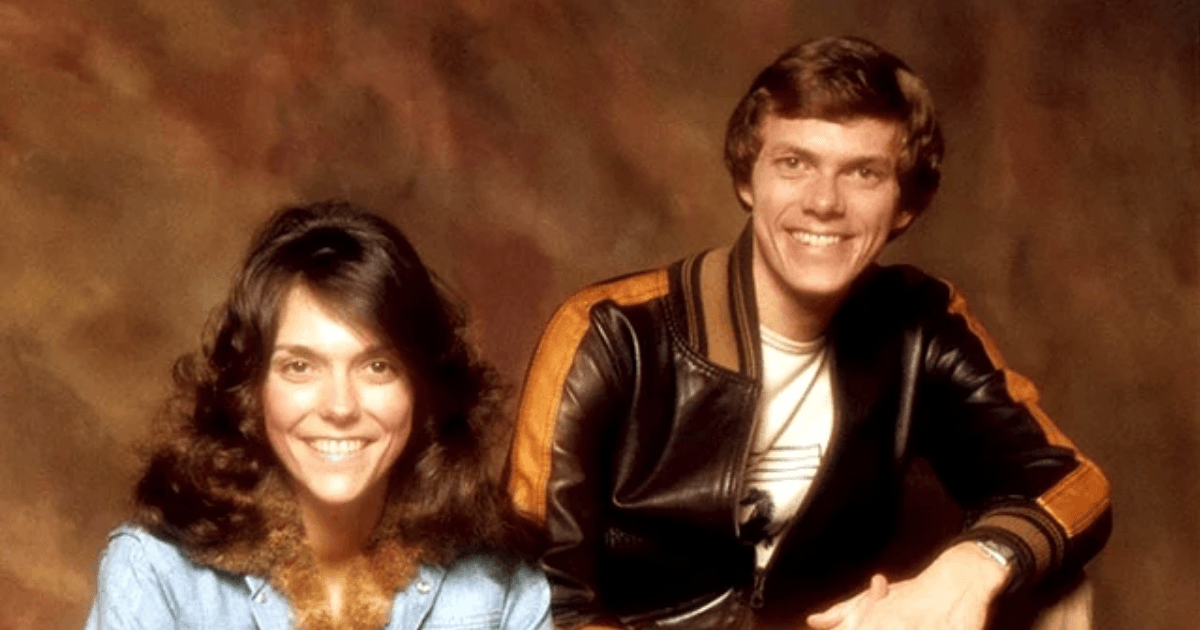
“Rainy Days and Mondays” by The Carpenters is one of the most beautifully melancholic pop songs ever recorded — a gentle, soul-stirring reflection on loneliness, weariness, and the quiet hope for comfort in human connection. Released in 1971 as the lead single from their album Carpenters, the song became one of the duo’s signature hits, reaching No. 2 on the Billboard Hot 100 and further establishing Karen and Richard Carpenter as the premier architects of the soft rock and pop sound of the 1970s. Written by the legendary songwriting duo Paul Williams and Roger Nichols, the song captures a universal emotional truth: that even the brightest lives have moments clouded by sadness and disillusionment.
At its core, “Rainy Days and Mondays” is a song about emotional vulnerability and the search for solace. The narrator, voiced by Karen Carpenter’s hauntingly beautiful contralto, admits to feeling down without any clear reason: “What I’ve got they used to call the blues / Nothin’ is really wrong / Feelin’ like I don’t belong.” These lines set the tone of introspection and quiet resignation that carries through the entire song. The mention of “rainy days” and “Mondays” works as both literal and symbolic imagery — rain representing gloom and Mondays symbolizing the return to routine and emotional heaviness after moments of hope or rest.
Paul Williams, the lyricist, has explained in interviews that the song was inspired by his own bouts of melancholy and the universal human tendency to feel low for no apparent reason. What makes the lyrics so powerful is their honesty. They don’t dramatize sadness; they simply acknowledge it as a normal part of life. The narrator isn’t despairing, merely tired — tired of putting on a brave face, tired of pretending that everything is fine. Yet, beneath this melancholy lies a quiet thread of hope. The repeated line “Talkin’ to myself and feelin’ old” conveys not only loneliness but also a hint of self-awareness — a recognition that these feelings, though painful, are temporary and human.
The musical arrangement, crafted by Richard Carpenter, is a masterpiece of understated emotion. It begins with a soft electric piano and acoustic guitar, setting a mood of gentle introspection. As the song progresses, the arrangement gradually expands to include lush strings, subdued brass, and a warm bassline — all trademarks of The Carpenters’ signature orchestral pop sound. Richard’s arrangement is meticulous yet unpretentious; every note serves the emotion of the song. The tempo is unhurried, allowing the listener to sink into the reflective atmosphere.
The true heart of the song, however, lies in Karen Carpenter’s vocal performance. Her voice, warm yet tinged with sadness, perfectly embodies the emotional duality of the lyrics — the mixture of sorrow and calm acceptance. Karen possessed one of the most distinctive and emotionally expressive voices in pop history. Her deep, velvety tone and flawless phrasing make even the simplest lines feel profound. When she sings, “Funny, but it seems I always wind up here with you,” the listener can feel both the comfort of companionship and the underlying fear of isolation. Her voice doesn’t cry out; it confides, making the listener feel as though they are being quietly spoken to in a moment of intimacy.
In many ways, “Rainy Days and Mondays” reflects The Carpenters’ musical philosophy — crafting songs that were emotionally resonant, melodically rich, and universally relatable. Unlike the rebellious rock and psychedelic movements dominating the late 1960s and early 1970s, The Carpenters offered a more introspective, soothing sound that spoke directly to the listener’s heart. Their music wasn’t about defiance or protest; it was about empathy and understanding. This approach resonated with millions, particularly in an era of social upheaval, offering comfort to those seeking gentleness in a turbulent world.
When the song was released in 1971, it struck an immediate chord with audiences. Its reflective mood and Karen’s achingly beautiful delivery made it stand out on radio playlists filled with upbeat pop hits. It climbed to No. 2 on the Billboard Hot 100 and became one of the duo’s most beloved classics. It also reached No. 1 on the Easy Listening chart, where The Carpenters dominated throughout their career. Critics praised its melodic grace and emotional honesty, with Billboard calling it “a beautifully produced and performed ballad of quiet despair.”
Beyond its commercial success, “Rainy Days and Mondays” has endured as a timeless expression of quiet melancholy. Its theme — the feeling of sadness that arrives without warning — remains deeply relatable across generations. Everyone, at some point, has experienced the kind of emotional fog that the song describes. And yet, what makes the song truly special is its gentle optimism. The final verse — “Funny, but it seems that it’s the only thing to do / Run and find the one who loves me” — suggests that love, or even simple companionship, can lift us from the gloom. It’s not a grand or dramatic resolution, but a realistic one: that sometimes all we need is someone to listen, someone to care.
The song also holds a poignant place in Karen Carpenter’s legacy. In later years, after her tragic death in 1983, listeners often returned to “Rainy Days and Mondays” as a reflection of her own struggles with loneliness and emotional pain. While the song was written years before her personal battles became public, her delivery gives it an almost prophetic poignancy. Her voice, both tender and sorrowful, seems to reveal the inner world of someone who understood sadness on a profound level.
Musicians and vocalists across genres have covered “Rainy Days and Mondays,” including artists like Paul Williams himself, Sheryl Crow, and Michael Bublé. Yet, none have been able to match the emotional purity of the Carpenters’ original. Its delicate balance of melancholy and warmth, simplicity and sophistication, remains unmatched.
In conclusion, “Rainy Days and Mondays” is far more than just a soft pop ballad — it’s a timeless reflection on the emotional complexities of everyday life. With its elegant lyrics, graceful arrangement, and Karen Carpenter’s hauntingly beautiful voice, the song captures the essence of quiet sadness and the fragile hope that love and understanding can make even the grayest days a little brighter. More than fifty years after its release, it continues to comfort listeners around the world, reminding us that it’s okay to feel low sometimes — and that, even on rainy Mondays, we are never truly alone.