
About the song
“Believe” by Brooks & Dunn
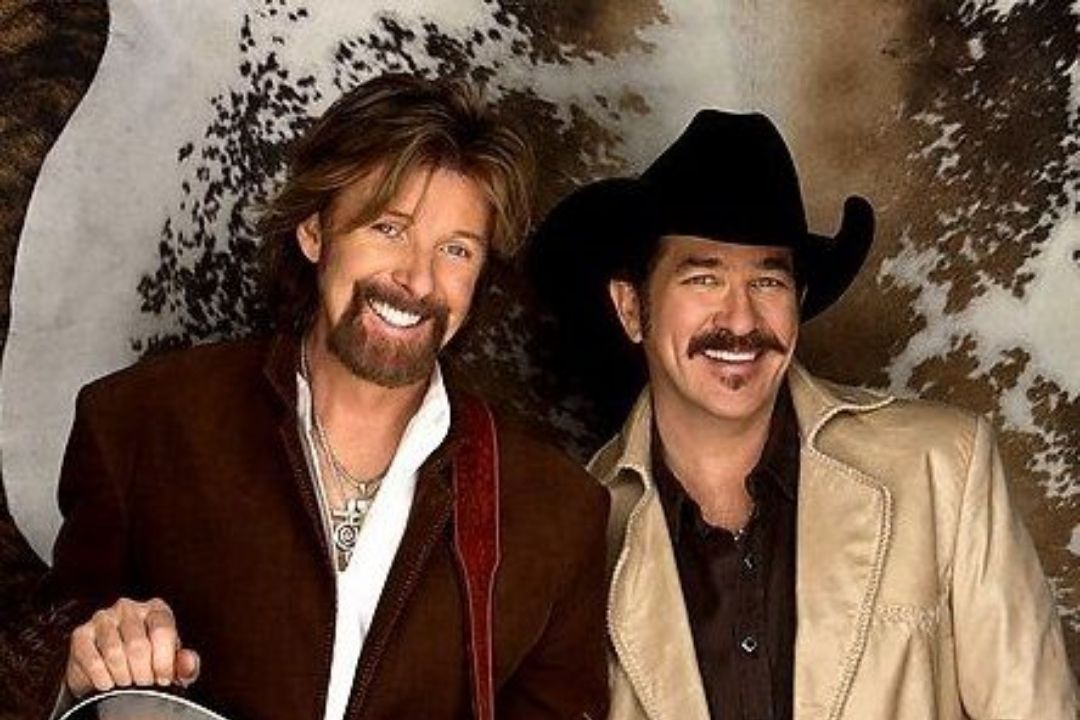
Released in 2005 as part of Brooks & Dunn’s album Hillbilly Deluxe, “Believe” is widely considered one of the most emotionally powerful and spiritually resonant songs in the history of contemporary country music. Written by Ronnie Dunn and Craig Wiseman, the song marked a significant departure from the duo’s signature honky-tonk party anthems and showcased their ability to deliver deeply moving and heartfelt storytelling.
With “Believe,” Brooks & Dunn stepped away from barroom energy and cowboy swagger and embraced a more solemn, soul-searching tone. The result was a song that not only resonated with fans but also received widespread critical acclaim, winning Country Music Association (CMA) awards for Song of the Year, Single of the Year, and Music Video of the Year in 2006, along with a Grammy nomination. It’s a testament to the song’s universal themes of faith, loss, and hope—a poignant ballad that touches hearts across generations.
Lyrical Content and Storytelling
“Believe” tells the story of a young boy and his relationship with an elderly African-American neighbor named Old Man Wrigley. Through vivid, compassionate storytelling, the narrator recounts his childhood conversations with the man, who shares wisdom, life stories, and—most importantly—his unshakable belief in God and the afterlife. Despite experiencing personal tragedies, including the deaths of his wife and son, Wrigley maintains a strong, unwavering faith.
The narrative is framed around a few key interactions:
“Old man Wrigley lived in that white house / Down the street where I grew up…”
As the narrator grows older and matures, he learns that Wrigley has passed away. Despite initial skepticism about faith, the man’s convictions begin to resonate deeply with him. This is captured poignantly in the chorus:
“I can’t quote the book / The chapter or the verse / You can’t tell me it all ends in a slow ride in a hearse.”
These lines capture the transformative power of human connection and belief, emphasizing that sometimes the most profound spiritual awakenings come not from preachers or doctrines, but from everyday saints whose lives are examples of resilience and grace.
Musical Arrangement and Delivery
The musical composition of “Believe” is as understated as its message is powerful. The production, anchored by Ronnie Dunn’s soulful, gospel-infused vocal performance, allows the message to shine without distractions. A simple acoustic guitar forms the backbone of the arrangement, complemented by piano, light percussion, and subtle string elements that build emotional intensity without overpowering the vocals.
Dunn’s vocal interpretation is one of the most emotionally compelling performances of his career. He delivers each line with genuine vulnerability and spiritual depth, imbuing the story with reverence, sorrow, and ultimately—hope. His ability to transition from soft intimacy to swelling emotion mirrors the spiritual journey the narrator experiences throughout the song.
Themes and Symbolism
At its heart, “Believe” is a song about faith, memory, mentorship, and the eternal human desire to make sense of life and death. It explores how the presence of a guiding figure, like Old Man Wrigley, can change the trajectory of one’s spiritual outlook.
It’s not overtly religious—it doesn’t preach or proselytize—but it’s deeply spiritual. It reflects on themes like:
Loss and grief: The man has suffered great personal tragedies but hasn’t lost his faith.
Legacy and influence: His faith becomes a cornerstone for the young boy’s future beliefs.
The mystery of the afterlife: The song acknowledges doubt and unanswered questions, but embraces belief as a comforting and meaningful response to life’s most painful experiences.
In a genre that often deals in heartbreak, romance, and fun-loving anthems, “Believe” is a refreshing and necessary meditation on life’s bigger questions.
Reception and Legacy
Upon release, “Believe” was hailed by critics and fans alike as one of Brooks & Dunn’s most profound works. It won multiple awards and became a staple of their live performances, often accompanied by standing ovations.
The music video, directed by Deaton-Flanigen Productions, underscores the song’s emotional impact with a sepia-toned, intimate visual story that emphasizes simplicity and human connection.
Even years after its release, “Believe” continues to resonate. It’s often played at memorials, funerals, and spiritual gatherings—proof of its timeless emotional power. For many listeners, it’s more than just a song; it’s a moment of reflection and comfort.
Conclusion
“Believe” is a shining example of the power of country music as a vehicle for storytelling and emotional truth. With its heartfelt lyrics, soulful delivery, and understated musical backing, the song captures a deeply human experience—the need to find meaning in suffering, the importance of spiritual belief, and the quiet influence of those who come into our lives and change us forever.
In a catalog full of energetic hits and country anthems, “Believe” stands out as Brooks & Dunn’s most poetic and enduring masterpiece—a song that speaks not only to the ears but also to the soul.