
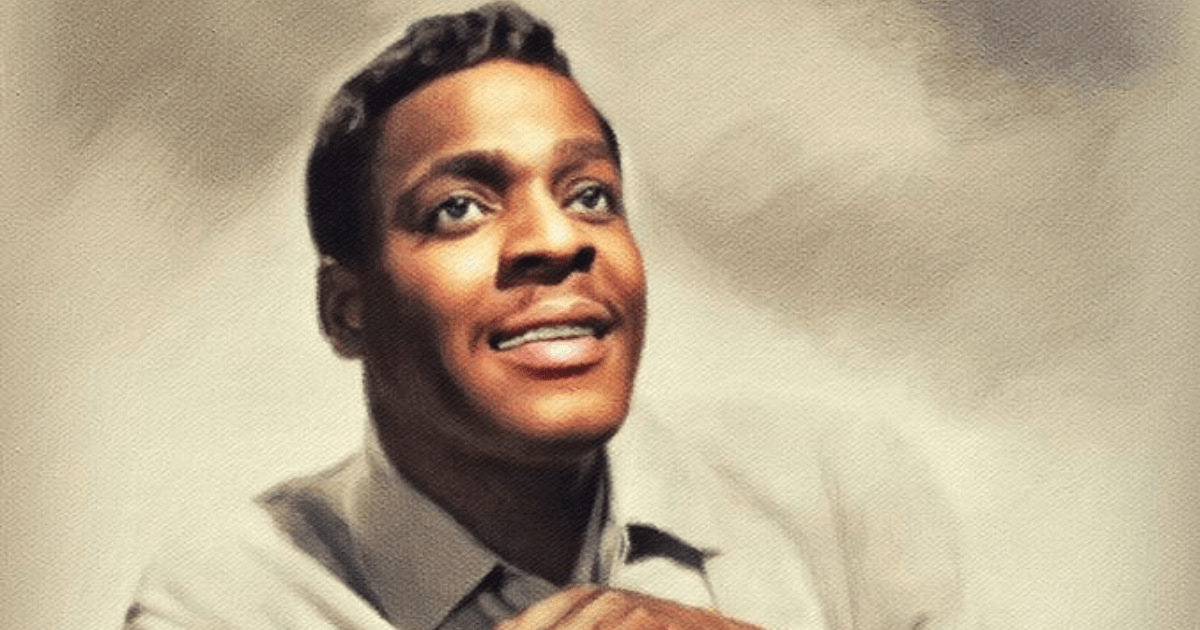
About the song
Few songs in the history of American soul music capture loneliness and longing as beautifully as “Rainy Night in Georgia.” Performed by Brook Benton and released in January 1970, the song became an instant classic, earning a place among the most atmospheric and emotionally resonant ballads of its era. Written by Tony Joe White, the song tells a simple yet universal story — a solitary figure wandering through a rainy night, reflecting on lost love and the ache of human isolation. Benton’s smooth baritone voice, coupled with the song’s moody arrangement, transforms the composition into a deeply soulful meditation on heartbreak and hope.
Background and Origins
“Rainy Night in Georgia” was originally written and recorded by Tony Joe White, a Louisiana-born singer-songwriter known for his distinctive “swamp rock” sound — a mix of country, blues, and soul. White’s version appeared on his 1969 album Continued, but it was Brook Benton’s interpretation that brought the song widespread acclaim. At the time, Benton’s career had entered a quiet period. After his string of pop and R&B hits in the late 1950s and early 1960s, including “It’s Just a Matter of Time” and “Endlessly,” his popularity had waned amid changing musical trends.
Then came “Rainy Night in Georgia.” Benton recorded the song at Criterion Studios in Miami, with producer Arif Mardin and arranger Bergen White crafting an elegant, understated soundscape. The recording marked a creative rebirth for Benton, revitalizing his career and introducing him to a new generation of listeners. Released by Atlantic Records in early 1970, the single quickly rose to the top of the Billboard R&B chart and peaked at No. 4 on the Billboard Hot 100, confirming its crossover appeal.
Themes and Lyrical Analysis
At its core, “Rainy Night in Georgia” is a song about loneliness, memory, and resilience. The narrator is drifting through a rainy southern night, wrapped in solitude, haunted by thoughts of a lover now gone. The imagery of rain — gentle, persistent, and enveloping — serves as both a literal backdrop and a metaphor for sorrow and introspection.
The song opens with one of the most evocative lines in all of soul music:
“Hoverin’ by my suitcase, tryin’ to find a warm place to spend the night.”
Immediately, the listener is drawn into a scene of wandering and weariness. There is no melodrama, only quiet desolation. The repetition of the phrase “I feel like it’s rainin’ all over the world” reinforces the universality of heartbreak — this man’s sadness transcends geography and circumstance. Everyone, at some point, has known what it feels like to be alone under a stormy sky.
The song’s power lies in its restraint. Benton never over-sings or exaggerates emotion; instead, he allows the subtle phrasing, the pauses, and the texture of his voice to convey the weight of his feelings. The rain becomes a character in itself — steady, forgiving, and eternal — as if nature itself were sharing in his melancholy. Through this delicate interplay between voice, lyric, and atmosphere, “Rainy Night in Georgia” becomes not just a story of one man’s loneliness but a meditation on the human condition.
Musical Arrangement and Performance
The musical arrangement of “Rainy Night in Georgia” is both minimal and masterful. Producer Arif Mardin designed a soundscape that mirrors the song’s imagery: a slow, gentle rhythm, subtle string sections, light guitar flourishes, and soft piano chords that fall like raindrops. The tempo moves like a slow walk under the rain, giving Benton’s vocals ample space to breathe.
Brook Benton’s voice is the soul of the record. His baritone tone — rich, resonant, and effortlessly smooth — gives the song emotional gravity. Each word feels carefully placed, and his delivery exudes both warmth and weariness. Unlike the more dramatic vocal stylings of soul contemporaries like Otis Redding or James Brown, Benton’s strength lies in his restraint. His calm control evokes quiet strength, as if he has accepted his sorrow but continues to move forward.
The string arrangements and background harmonies add depth without overpowering the simplicity of the song. The result is an atmosphere that feels cinematic yet intimate — a blend of southern soul, blues, and pop sophistication that defines late-1960s and early-1970s soul production.
Reception and Legacy
Upon its release, “Rainy Night in Georgia” received widespread acclaim from critics and audiences alike. It became Brook Benton’s first major hit in years, topping the Billboard R&B chart and earning gold certification. The song also became his signature tune for the remainder of his career, widely regarded as one of the finest soul recordings ever made.
Over the decades, “Rainy Night in Georgia” has been covered by numerous artists, including Randy Crawford, Hank Williams Jr., Chris Young, and Aaron Neville, each offering their own interpretation. Yet, none have quite captured the haunting stillness and understated emotion of Benton’s version.
In 2004, the song was ranked among Rolling Stone’s 500 Greatest Songs of All Time, and it continues to be featured in film soundtracks, television series, and cultural retrospectives as a timeless example of soul music’s storytelling power.
Cultural and Emotional Impact
Beyond its chart success, the song holds deep cultural resonance. It embodies the Southern Gothic sensibility — a blend of melancholy, beauty, and reflection on life’s hardships. It also reflects a broader moment in American music when black artists were exploring introspective and poetic themes within popular forms, blending R&B with folk and jazz influences.
For many listeners, “Rainy Night in Georgia” feels like more than a song; it is an emotional experience. Its slow rhythm and haunting lyricism invite introspection. Whether one listens alone late at night or in the company of others, the song seems to suspend time, surrounding the listener in its gentle rain of memory and feeling.
Conclusion
“Rainy Night in Georgia” remains one of the most enduring and evocative songs in the American soul canon. With its timeless themes of loneliness and longing, its delicate blend of musical simplicity and emotional depth, and Brook Benton’s incomparable vocal performance, the song transcends era and genre. It captures the universal truth that everyone, at some point, feels like it’s raining all over the world — yet in that shared sadness lies a quiet kind of beauty. Through this masterpiece, Benton not only revived his career but also left behind one of the most touching musical testaments to the human heart ever recorded.