
About the song
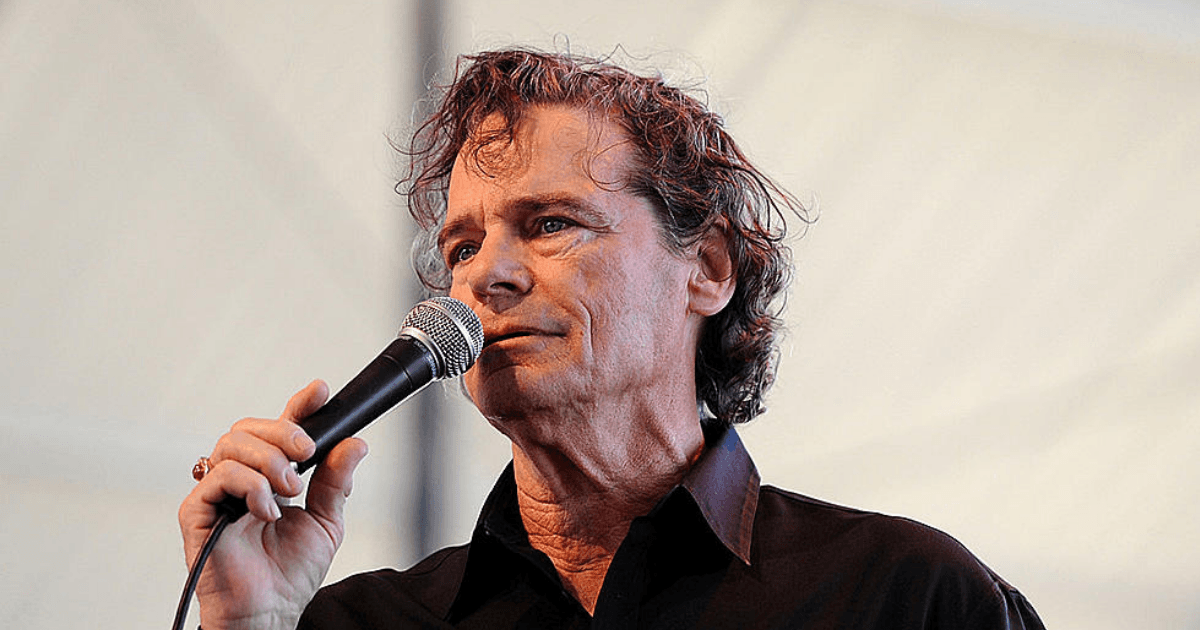
“I’m So Lonesome I Could Cry” is one of the most hauntingly beautiful and emotionally raw songs in the history of American music. Originally written and recorded by Hank Williams in 1949, the song has become a timeless classic covered by countless artists across multiple genres. Among those renditions, B.J. Thomas’s version stands out for its smooth vocal delivery, rich emotional tone, and the distinctive blending of traditional country sadness with a contemporary pop-soul sensibility. His interpretation brings new color and dimension to a song already considered one of the purest expressions of loneliness ever written.
B.J. Thomas, known for his expressive tenor voice and ability to transcend musical boundaries, built a career that moved effortlessly between country, pop, and gospel music. With hits such as “Raindrops Keep Fallin’ on My Head,” “Hooked on a Feeling,” and “(Hey Won’t You Play) Another Somebody Done Somebody Wrong Song,” Thomas earned a reputation for bringing deep emotion and humanity to every performance. When he turned his attention to Hank Williams’ masterpiece “I’m So Lonesome I Could Cry,” he approached it with both reverence for its country roots and an instinct for soulful interpretation. The result is a version that feels timeless yet deeply personal.
The song itself is a masterclass in poetic minimalism. Written during a time when Williams was struggling with loneliness, heartbreak, and isolation, “I’m So Lonesome I Could Cry” paints vivid pictures of sorrow through nature imagery and simple but powerful lines. Each verse evokes a different symbol of solitude: the sound of a whippoorwill, the fading of a star, the cry of a train in the distance. These images combine to create an atmosphere of aching quietness—the stillness of night when emotions are at their most raw.
When B.J. Thomas sings these lines, his voice carries an aching clarity that mirrors the song’s emotional landscape. He doesn’t imitate Hank Williams’ mournful drawl; instead, he reshapes the song through his own gentle phrasing and smooth vocal tone. His rendition slows the tempo slightly, allowing each word to linger and resonate. The listener can almost feel the weight of the loneliness he describes. This vocal restraint makes his performance all the more powerful—there is no forced emotion, no dramatic excess, only the quiet pain of a man confronting his solitude.
Musically, B.J. Thomas’s arrangement differs from the sparse, old-time country instrumentation of Williams’ original. While the original featured a simple guitar, fiddle, and steel accompaniment, Thomas’s version introduces a fuller production, with lush strings and soft piano chords that give the song a dreamy, melancholic quality. This approach moves the piece slightly away from honky-tonk and toward the Nashville Sound or even pop ballad territory. Yet despite the smoother production, the heart of the song remains pure and authentic. The combination of Thomas’s tender voice and the gentle orchestration makes his version accessible to a wider audience while preserving the emotional essence of the original.
One of the most remarkable aspects of B.J. Thomas’s interpretation is how he humanizes loneliness. Whereas Hank Williams’ version feels desolate—almost as though sung by a man on the verge of collapse—Thomas’s reading is more introspective and reflective. His tone suggests quiet sorrow rather than despair, as if he’s looking back on heartbreak with acceptance rather than anguish. This subtle emotional shift gives the song new life. It becomes not just a cry of pain, but also an acknowledgment of how universal loneliness is—a feeling that everyone encounters at some point.
Thomas’s background in both pop and gospel music also influences how he delivers the song. His smooth phrasing and controlled vibrato lend a spiritual undertone to the performance. There’s an almost prayer-like quality in his voice, as if he’s not just expressing sadness but seeking understanding and peace within it. This spiritual depth aligns perfectly with the reflective nature of “I’m So Lonesome I Could Cry,” a song that, beneath its melancholy, also speaks of endurance and emotional truth.
“I’m So Lonesome I Could Cry” has always been a song about more than heartbreak—it’s about the human condition itself. Through its simple metaphors and universal imagery, it touches something deep within the listener. B.J. Thomas’s version, released during a time when country and pop music were increasingly blending, offered a bridge between generations and genres. His interpretation introduced the song to new listeners who might not have been familiar with Hank Williams but could still feel its emotional pull through Thomas’s modern, soulful touch.
In the broader context of B.J. Thomas’s career, this recording reflects his gift for taking classic material and reshaping it without losing its integrity. Just as he brought warmth and optimism to “Raindrops Keep Fallin’ on My Head” and emotional vulnerability to “Another Somebody Done Somebody Wrong Song,” he brings a quiet nobility to “I’m So Lonesome I Could Cry.” It’s a performance that demonstrates his mastery of nuance—the ability to convey heartbreak not through volume or intensity, but through tone, timing, and sincerity.
Even decades after its release, B.J. Thomas’s version of “I’m So Lonesome I Could Cry” remains one of the most respected covers of the song. It continues to resonate with listeners who find comfort in its honesty. There’s a timeless truth in the way he sings it: loneliness, while painful, is part of what makes us human. The song reminds us that even in our deepest isolation, we are not alone—others have felt the same ache, the same longing, the same silence in the night.
Ultimately, B.J. Thomas’s “I’m So Lonesome I Could Cry” stands as a bridge between eras and emotions—a meeting of traditional country storytelling and soulful, modern expression. Through his interpretation, the song becomes more than a lament; it becomes a reflection on the beauty of vulnerability. With each note, Thomas captures the essence of Hank Williams’ vision while giving it a timeless voice of his own. It is a song that continues to echo in the hearts of listeners—proof that true emotion, honestly sung, never fades.